

 Get a Quote
What a Plastic Injection Molding Supplier Should Resolve Before Tooling
Two quotations can describe the same plastic component and still offer different purchases. One may include tool development and limited trial samples; another may include finished, decorated parts. For an industrial buyer selecting a plastic injection molding supplier, resolving that difference is more useful than comparing the totals first. JY Pretech brings tooling, molding and supporting operations into one engineering discussion so the supplied component can be defined before manufacturing begins.
Begin with our manufacturing capabilities and project process. They cover custom molding, rapid and bridge tooling, insert molding, two-shot work and finishing. These services suit development teams and purchasers buying to a defined design. The first decision is whether you need a mold, unfinished moldings or components ready for a particular next operation. Material, revision, quantity and acceptance evidence should then follow that decision.
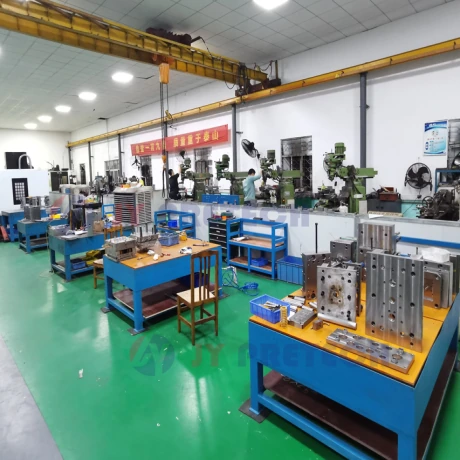
A plastic injection molding supplier quotation should define the supplied condition
Consider a device cover that requires a printed legend and threaded hardware. The CAD file describes the cover’s shape, but the delivered object also depends on printing, insert installation and inspection after those operations. If those steps are absent from the commercial scope, the lower molding price may leave the buyer organizing extra work. The comparison becomes fairer once both offers describe the same finished condition.
PC housings with printed markings need a decoration reference
JY Pretech’s finishing services include pad printing, silk printing, laser marking and coating. For a housing with operating instructions, identify the artwork revision, visible face, color reference and position relative to assembly features. A label that looks correct on an isolated panel may sit behind another component once the device is assembled. The acceptance sample should represent the supplied condition rather than a convenient unfinished stage.
Our documented PC connector tooling and molding project illustrates a specific combination: PC Lupilon S-3001R, a 1+1 family mold, S136/S136 construction and customer-specified printing. These are facts about that project. For a different housing, the resin and printing system must be reviewed again; the example is useful because it shows which decisions belong together.
Insert-molded parts require agreement about the metal component
An order for a molded part containing metal should identify who supplies the insert, which revision applies and how it is located in the tool. The insert may determine a fastening or electrical interface that cannot be corrected by measuring only the plastic outside shape. JY Pretech offers insert molding as part of its custom manufacturing range. That route needs a defined insert and assembly purpose rather than an assumption that any similar metal component will behave identically.
A buyer comparing insert molding with later insert installation should describe the function each route must provide. Some designs suit molding around a located insert; others are better reviewed with a secondary installation step. The manufacturer’s value is in explaining the manufacturing implications of the actual geometry. The chosen route should appear in the quotation and approved drawing, so purchasing does not treat two technically different components as interchangeable.

Set the tooling route before negotiating the molded-part price
JY Pretech supports rapid and prototype tooling as well as production and export tooling. A pilot program with an evolving design presents a different business problem from a released component that will run repeatedly. The tool should match the stage of the design, the selected material and the approval work. A development tool is not automatically the most economical long-term arrangement, and a more elaborate production tool may be premature while essential interfaces are still changing.
For an equipment developer awaiting a field trial, the useful question is what the first molded parts must establish. If they need to confirm assembly in the intended resin, the trial quantity and critical features should drive the plan. If the project already has a controlled drawing and recurring demand, the discussion can place more weight on production organization and repeat-order requirements. Neither decision should depend on an undefined promise of speed.
| Part of the offer | Difference that can change the purchase |
|---|---|
| Tool construction | The agreed development or production route and the mold included in the price |
| Trial work | The purpose of the samples and the changes included before approval |
| Component supply | Bare molding, decorated component or an assembly with defined secondary operations |
| Later production | Where the mold will run and how a repeat release will be identified |
| Delivery object | Mold shipment, molded-part shipment or separately specified consignments |
DME and HASCO requirements belong in an export-tool handover
Our export tooling and mold-component service identifies customer standards including DME and HASCO arrangements. If another molding plant will run the tool, supply its receiving requirements before design release. Mold mounting, ejection, cooling connections and machine compatibility cannot be settled by specifying a familiar standard name alone. The receiving plant needs to review the actual interfaces.
The handover should separate responsibility for the mold trial from responsibility for production on the customer’s press. A successful sample run establishes something useful under the trial conditions; it does not remove the need to plan the receiving setup. For an overseas buyer coordinating several parties, recording those boundaries early can prevent a tool from arriving before the local team has the information needed to use it.
Material questions should reach the injection molding supplier before sample approval
Our material offering includes conventional engineering polymers such as ABS, PC, PA and POM, alongside high-performance PEEK, PPSU and PEI. These families give the buyer options for different environments. They also create a responsibility to define the exact material rather than approve a convenient family label. A change from PC to a high-heat polymer can affect the tool, processing review and final acceptance even when the model remains unchanged.
PEEK and PPSU orders start with the actual exposure
A purchaser replacing a component near a hot process may know its peak temperature but not the load, duration or cleaning exposure. Provide those conditions before asking for a material recommendation. JY Pretech’s high-heat processing work includes PEEK, PPSU and PEI components. The appropriate route depends on the part’s function; the availability of several materials does not make them substitutes for one another.
The material producer’s guidance can support the technical discussion. For example, Victrex processing information distinguishes processing considerations for its polymers. It is background for a grade-specific review, rather than a guarantee for every geometry. Record the agreed grade, any reinforcement and the documentation needed for receipt. Do not allow a material-family description in the purchase order to weaken a more precise engineering release.
The first supplier response should close gaps in the engineering files
Our published process requests STEP or IGS files together with material, quantities, tolerance and finishing information. A solid model is helpful for understanding geometry; a drawing communicates the critical references and acceptance requirements. When these documents disagree, the project needs a clear hierarchy before tooling starts. The supplier should identify the unresolved feature rather than silently choose the easier interpretation.
Imagine a distributor ordering a replacement molded cover for an existing equipment family. An old sample may show a port that no longer appears in the current CAD. That difference could be an obsolete feature, a later modification or a missing drawing update. Sending both objects without explaining their relationship transfers uncertainty into the tool. Identify which revision is authoritative and which details require engineering review.
DFM feedback can then concentrate on specific matters: the parting line near a cosmetic face, a gate next to a functional opening, a wall transition around a boss or access for ejection. The article on the stages of mold manufacturing provides context for how a design review leads into construction and trial work. A useful response makes the next approval smaller and clearer.

Supplier qualification is stronger when it stays connected to your part
JY Pretech presents tooling and molding work from Zhongshan, China, with inspection resources including 3D coordinate measurement and 2D projection. The company describes an ISO 9001:2015 quality management system. If a certificate is part of your qualification process, request the current document and check its scope against the activity being purchased. A company statement and an application-specific approval answer different questions.
For a printed panel, qualification should include how the finished position and appearance will be judged. For an insert-molded component, it should address the metal-to-plastic relationship. For a high-heat part, the material identification and operating assumptions deserve attention. This is a better use of an audit than gathering a long instrument list without deciding which evidence will release the order.
Inspection documents should also be named rather than assumed. A first-article result, a material record and a certificate of conformity describe different evidence. Agree which are needed, which revision they refer to and whether they concern a sample or a production delivery. JY Pretech’s integrated engineering and manufacturing approach gives the team a place to align these requirements before they become late shipment questions.
Release the order around the component’s next handling step
Tool custody should be clear when the supplier also molds the parts
A buyer ordering both tooling and repeat components should distinguish the physical mold from the service of operating it. Confirm who authorizes a tool change, how the released component revision is identified and what would be required if the tool later moved to another plant. These are useful commercial questions for JY Pretech’s combined tooling-and-molding service because the tool remains part of the supply arrangement after the first samples have been accepted.
For example, an industrial purchaser may expect to continue ordering the original panel while a revised panel is under development. The engineering review needs to establish whether the change can coexist with the original supply or whether it replaces an existing tool condition. A purchasing instruction to keep both versions available is incomplete if the mold strategy cannot support it. Discuss the two component revisions as separate deliverables before approving the change.
Another buyer may want a local molding partner to take over after development. That plan makes the export-tool information relevant from the beginning, even if the first parts are produced at JY Pretech. The receiving press, agreed tool standard and handover evidence should influence design rather than appear as an administrative request at dispatch. Keeping those responsibilities visible helps both teams evaluate the same scope.
Do not infer ownership terms, storage arrangements or a guaranteed service life from a photograph of tooling. Put the agreed commercial and technical responsibilities into the order documents. The purpose is practical: the person placing a repeat component order should know which released tool condition will produce it and which approval is needed before that condition changes.
A molded housing traveling to a local decoration partner has a different receiving requirement from a finished panel going straight to assembly. For the printed panel, specify how visible surfaces and projecting details will be protected. For metal inserts or separate mating pieces, identify whether they travel assembled or separately. The packing method should be agreed for that component; it should not be inferred from an unrelated project photograph.
Ask the quotation to distinguish development milestones from shipment readiness. Tool completion, trial completion and acceptance of the final supplied condition are separate events. A date based only on tool construction may be incomplete if material approval, printing or an assembly trial is still open. A realistic supplier discussion ties delivery to those actual dependencies.
When the offers return, compare the defined deliverable first: the same released design, the same resin, the same secondary work and the same acceptance package. Then the price differences have a useful meaning. JY Pretech can review tooling and molded-part supply together; your strongest starting point is a clear description of the component that the next team must be able to use.