Not a single advantage. A more connected way to manufacture.
High-heat plastics, two-shot molding, LSR and precision tooling each bring different challenges. We connect the right questions before production begins.
01 / ENGINEERING
Review the details early.
Discuss the geometry, tool concept and potential manufacturing issues while changes can still be considered.
02 / MATERIALS
Match the process.
Bring material grade, function and processing requirements into the same technical review.
03 / FLEXIBILITY
Start at your stage.
Prototype and low-volume routes, with no-MOQ options for selected molding services.
04 / COMMUNICATION
Keep decisions visible.
Align the specification, project schedule and documentation with the work that needs to happen next.
01A / Process-fit engineering
One part can require several kinds of expertise.
Different materials create different engineering risks. We review how a part needs to function before recommending the molding, tooling or additive route.
01
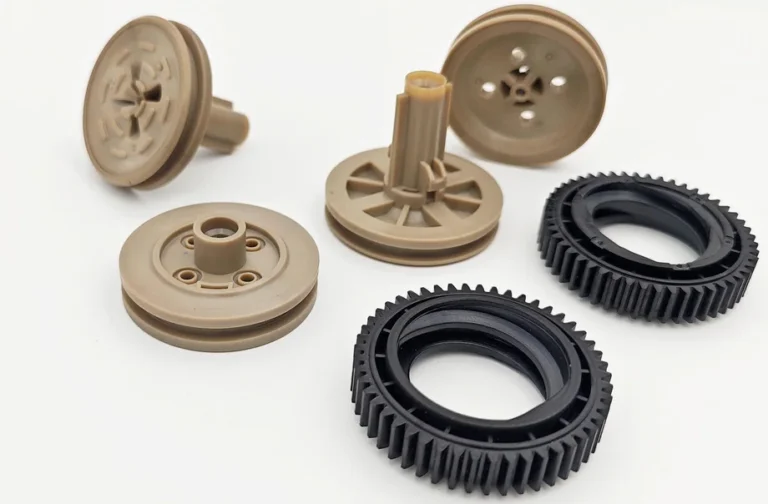
High-heat plastics
When temperature and dimensional stability matter
Drying, tooling temperature, shrinkage and grade selection are considered together for high-performance thermoplastics such as PEEK, PEI and PPSU.
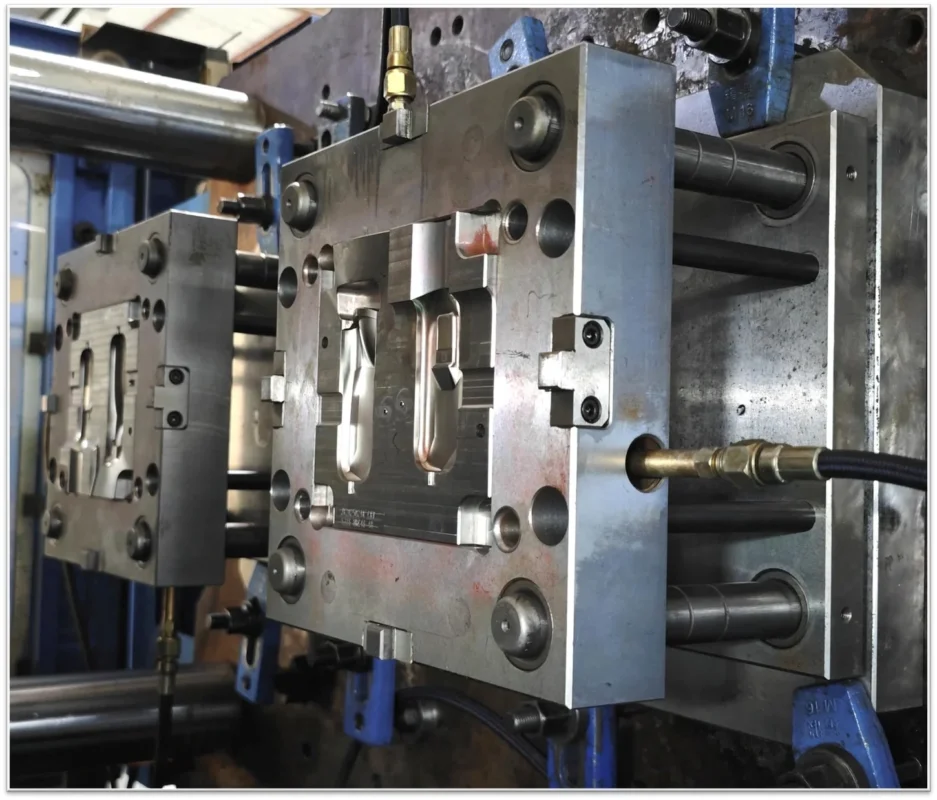
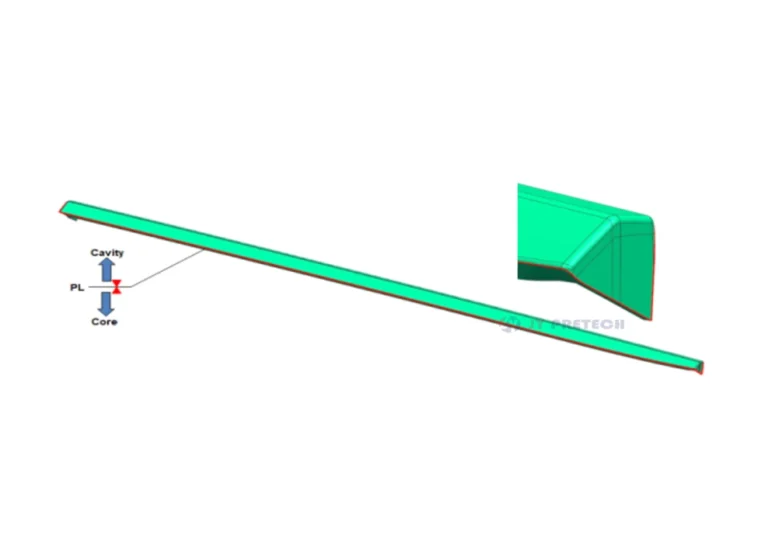
01 / Tooling concept, parting line and gating discussion
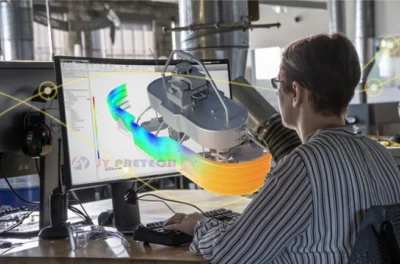
02 / Mold-flow study
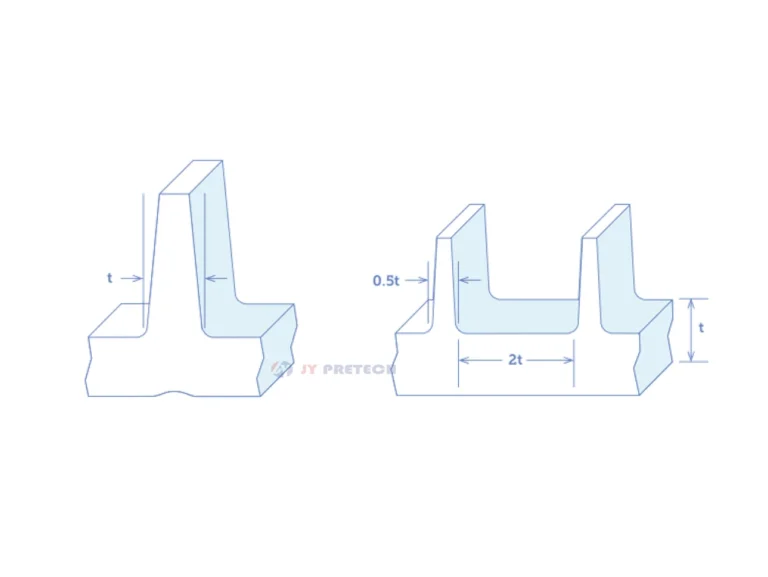
03 / Wall-thickness review
01 / Design for manufacturing
Ask better questions. Before steel is cut.
A useful engineering review connects the part drawing with the mold and process it needs. It makes potential issues part of the discussion—not an afterthought.
01
Review the part.
Parting lines, gating, ejection, draft and wall thickness, with attention to the critical features in your drawing.
02
Understand the process.
Discuss mold-flow analysis where appropriate, including filling, pressure, weld lines and potential deformation.
03
Refine the direction.
Bring proposed changes and tooling decisions into the project review before moving to manufacture.
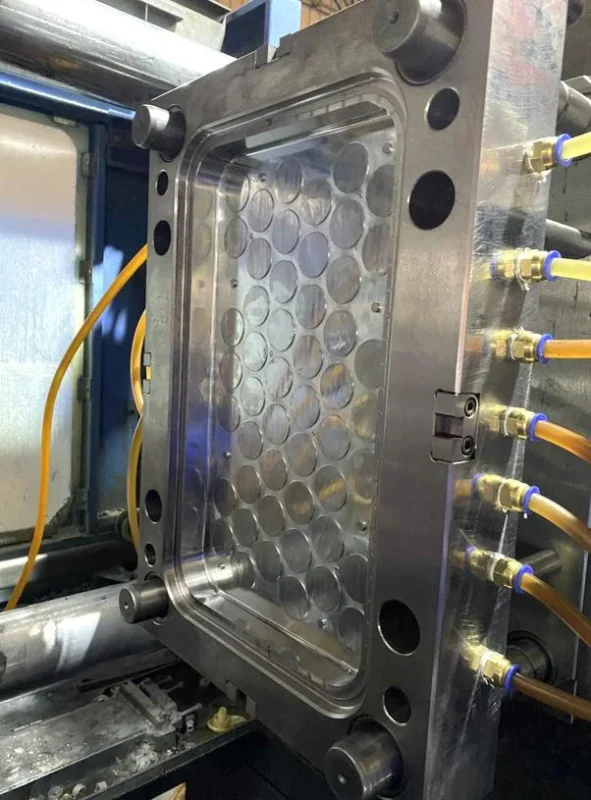
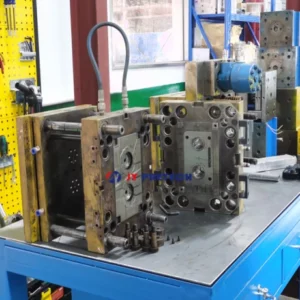
Export tooling is more than a mold that produces an acceptable trial sample. It must be reviewed against the receiving plant’s machine interface, drawing standards, maintenance expectations and inspection needs.
01 / STANDARDS
Specify the standard early.
DME, HASCO, MISUMI, metric and custom requirements can be discussed with your toolroom.
02 / DESIGN
Engineer the service interfaces.
Confirm parting surfaces, ejection, gating, cooling and service access for the target molding setup.
03 / HANDOVER
Plan for trial and transfer.
Agree on samples, dimensional checks, tool documentation and shipment details before release.
Inspection examples reflect our production and quality workflow. Required inspection records are agreed for each project.
03A / Inspection & project evidence
Quality you can discuss in detail.
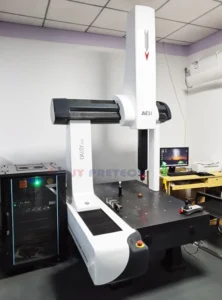
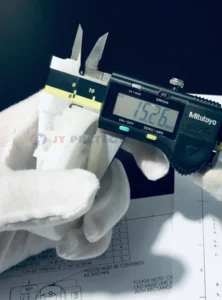
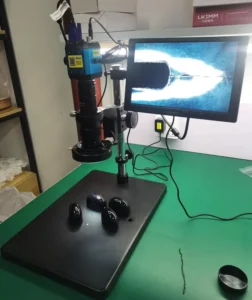
The inspection plan should follow the drawing, critical features and intended use of the part. We work with customers to define practical checkpoints and the records needed for their supplier review.
MEASUREMENT EQUIPMENT / COMPANY FACTORY
DOCUMENTATION FRAMEWORKAGREED FOR EACH PROJECT
01
Material identification
Material specification, grade and relevant certificates are reviewed when the application or customer requires traceability.
INPUT
02
First-article assessment
Critical dimensions, appearance and functional interfaces are checked against the agreed drawing and trial requirements.
TRIAL
03
In-process confirmation
Process conditions and sample checks provide a basis for monitoring repeatability during production.
BUILD
04
Final release documents
Inspection results, COC, requested material records and shipping documentation can be included in a project-specific handover plan.
SHIP
Plan the evidence before the first run.
The required format and scope of records should be confirmed during quotation and technical review. No universal inspection package is implied.
03 / Production that fits the project
A manufacturing base. Room to find the right route.
In-house tooling and molding provide a practical foundation. Additional manufacturing resources can be coordinated when a project needs specialist processes or further capacity.
80–650 tInjection machine range
250–400 tTwo-shot injection machine range
120–260 tLSR injection machine range
Equipment ranges reflect our August 2025 company profile. Machine selection and availability are confirmed for each project.
JY PRETECH / INJECTION MOLDINGFrom tool trials to parts
A better-fit manufacturing plan
Your requirement. Our starting point.
We do not treat every component as the same project. The review should follow the risks and requirements of the part itself.
Material grade, operating environment, tool concept and the processing route.
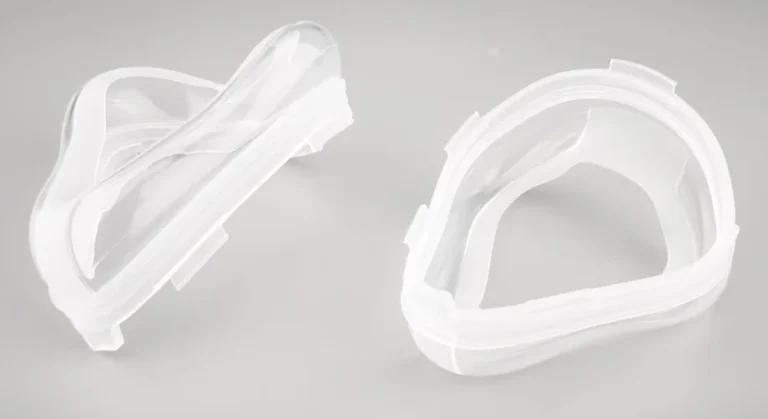
A hard-soft component
Material compatibility, interface geometry and two-shot or overmolding requirements.
Critical dimensions
Drawing requirements, measurement methods and the inspection records you need.
A path beyond prototypes
Tooling strategy, trial quantities, expected volumes and the next production stage.
04A / More connected manufacturing
One conversation. More of the work coordinated.
Molding is often just one stage. The finished component may also need machining, decorating, joining, metal parts or assembly. Reviewing those operations early helps reduce avoidable hand-offs and redesign.
01 / POLYMERS
Make, finish & decorate
Plastic molding supported by coating, laser marking, pad printing, insert installation and joining methods to match the part.
02 / SHEET METAL
Support the whole assembly
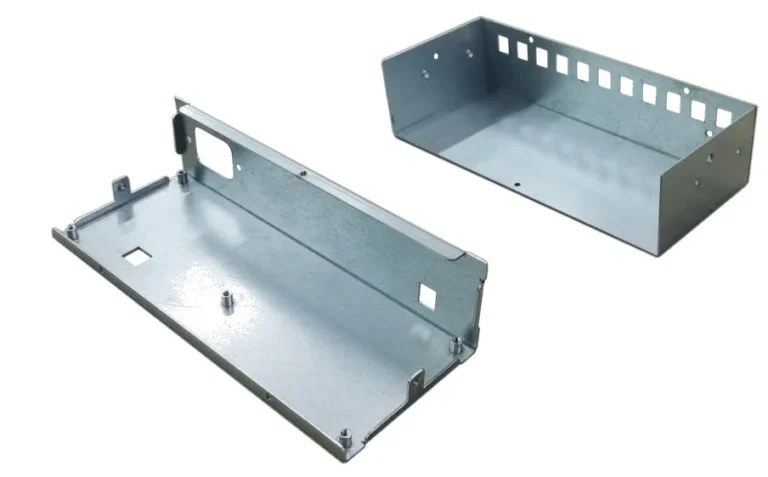
Sheet metal cutting, bending and forming can complement molded housings and mounting features in mixed-material products.
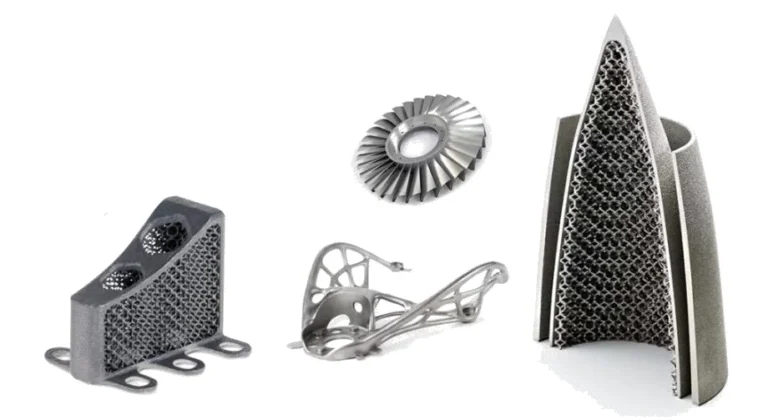
03 / METAL AM
Pair complexity with precision
Metal 3D printing, follow-up machining and finishing broaden the routes available for complex functional components.
Capability is only useful when it fits the project. Here are the considerations we discuss with design teams and buyers.
How early should DFM begin?
Ideally, as soon as a draft CAD model and the key part requirements are available. Early reviews can identify draft, wall thickness, gating, ejection and fit issues before tool steel is committed.
Can the same partner manage different part materials?
JY Pretech offers high-heat polymer processing, two-shot molding, LSR and metal manufacturing routes. Each combination is assessed for geometry, material compatibility, volumes and production resources before acceptance.
Which inspection reports should be requested?
That depends on the application and contract. Specify critical dimensions, measurement method, first-article requirements, material certificates or certificates of conformity as needed during the RFQ process.
What determines prototype and production lead time?
Geometry, material availability, tooling complexity, secondary operations and project volume all matter. A quote should establish realistic milestones for your specific part rather than imply one fixed time for every project.
Make the next step an informed one.
Share the part, the challenge and the outcome you need.


 Get a Quote