

 Get a Quote
A Custom Plastic Parts Supplier for Changing Product Requirements
The product team has moved a connector, added a fastening boss and asked for a softer grip. Purchasing still holds the drawing used for the original quotation. For a custom plastic parts supplier, this is a development problem before it becomes a production problem. JY Pretech supports teams whose component designs and order quantities evolve, connecting rapid tooling, injection molding and secondary operations around a controlled release.
This approach is useful for equipment developers, engineering buyers and distributors ordering made-to-drawing components rather than standard shelf items. Start with our prototype and rapid molding service and custom manufacturing range. Before approving the next quantity, identify which design version it represents and what the parts must establish. A sample for fit evaluation and a component released for customer assembly need different instructions.
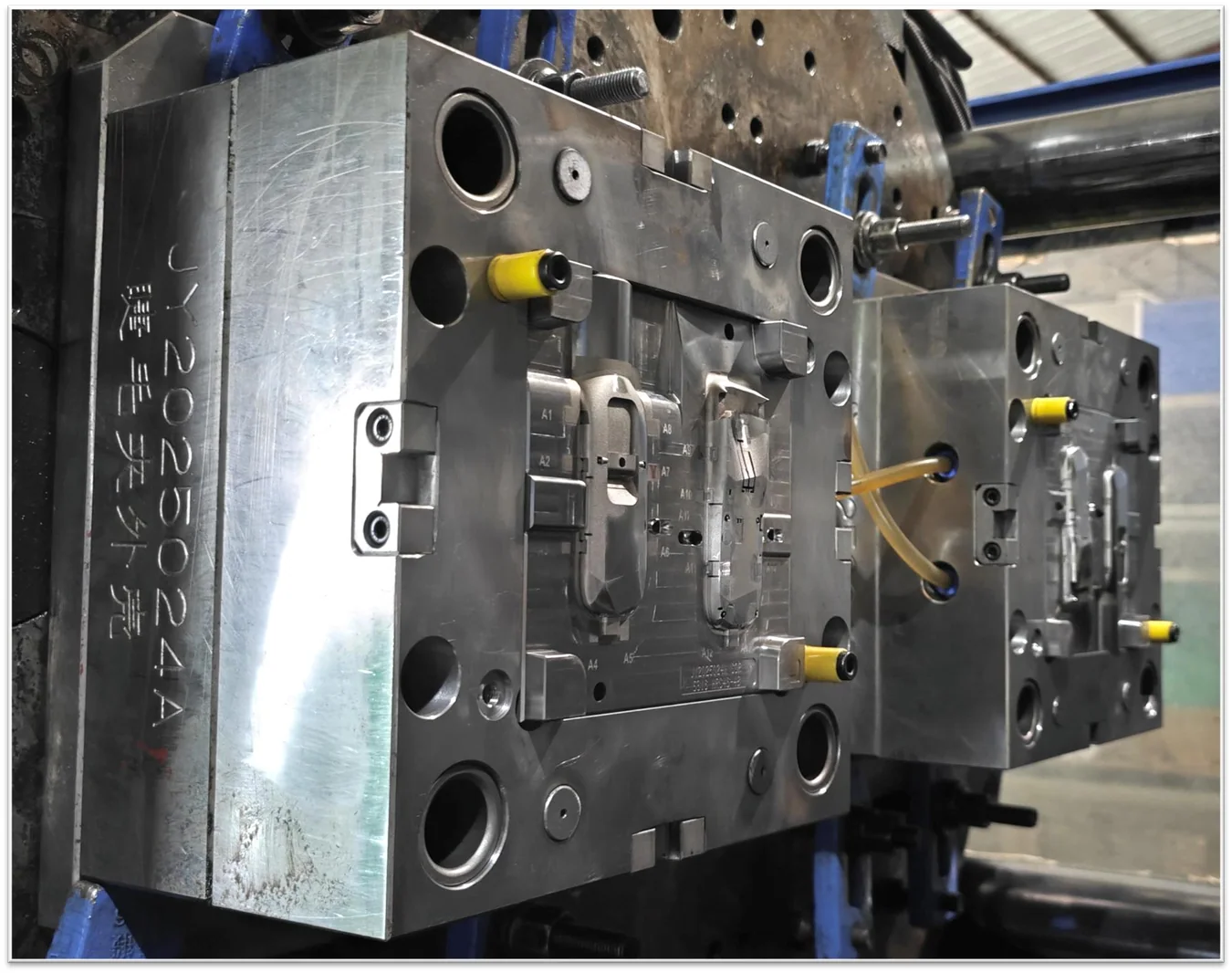
A custom plastic parts supplier needs to know which change controls the next build
A design revision can combine several intentions that deserve separate review. Moving a port may affect the tool, adding a boss may alter a wall transition, and changing a grip can introduce another material. JY Pretech’s engineering review addresses parting lines, gating, draft, ejection and wall thickness. Those subjects become more useful when the customer explains what the new component must do differently.
A moved connector opening can change more than the outside contour
Suppose an industrial controller needs a connector relocated to clear a neighboring assembly. The important change is the relationship between the opening, the mounting arrangement and the internal device. A red outline on a model can show where geometry moved, but the drawing should explain the functional position and acceptance limits. The tool review can then examine the change in its actual molding context.
If the original housing remains in service, tell us whether you still need replacement parts for it. A revised tool condition may not preserve the earlier version automatically. The project should review whether both configurations can be supplied and how they will be identified. This prevents an apparently simple component update from interrupting support for existing equipment.
A new fastening boss deserves a local wall and insert review
A buyer may add a mounting point late in a pilot program because a bracket has moved. Review the boss with the adjoining wall, tool access and intended fastening method. Our services include insert molding and insert-related secondary operations, so the team can examine whether the feature should receive a direct screw, a molded-in insert or a later installed insert. Those alternatives need geometry and acceptance decisions, not just a shared outside diameter.
For a cover opened during maintenance, the customer should explain the fastening duty. If the part is assembled once and rarely disturbed, that is a different operating description. JY Pretech can review the manufacturing route around those requirements, while the product owner establishes the actual service performance needed from the finished design.
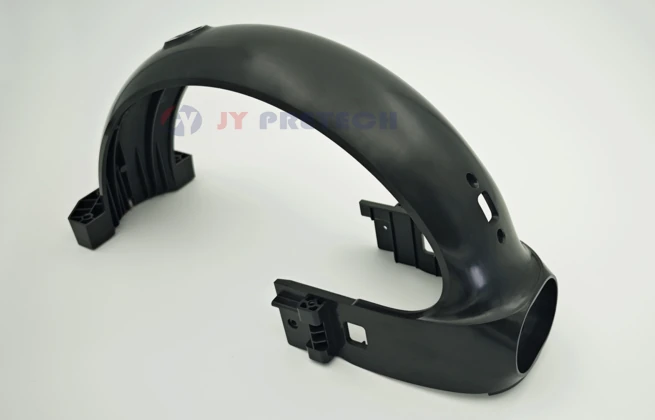
Bridge molding should answer a defined product question
Our prototype and low-volume work allows a project to obtain molded parts while demand or design requirements are developing. The useful objective is material-relevant evidence: how the component fits, what a visible surface looks like and whether the proposed manufacturing route supports the intended detail. A bridge tool is not a reason to leave the drawing uncontrolled. It is a tool for learning from a defined configuration.
A customer preparing an equipment demonstration may need housings that assemble in the chosen resin, while another customer preparing a service trial may need a small set of finished, marked components. The first program may prioritize an interface check; the second may require the decoration and installed hardware to be present. State which supplied condition supports the decision. That helps avoid approving a bare molding for a trial that actually needs a finished assembly.
P20 tooling can be discussed without assuming a universal tool life
JY Pretech identifies P20 within its rapid-tooling offering. The designation is a starting point for a tool-construction discussion, not a fixed promise about the number of parts any geometry will produce. The selected resin, component detail, required finish and production plan still matter. A buyer expecting later repeat orders should raise that intention during the initial tool review.
The distinction between tooling and molding is helpful here. The tool is an asset used to make the component; the molding order defines the parts and operations currently required. Keeping these objects distinct lets the team discuss a design change, a new trial and a repeat order without treating them as the same commercial event.
Keep resin substitutions separate from geometry revisions
Our materials directory includes ABS, PC, PA, POM, PP and PBT, along with high-performance choices. These families offer different routes for housings, working components and more demanding environments. They are not interchangeable purchasing descriptions. If a project changes both its resin and its geometry, make those changes visible so the next samples can be evaluated against the intended combination.
For an enclosure being moved from a general indoor application to a warmer location, the team may consider a material change. Before specifying a high-heat polymer, describe the sustained exposure, mechanical load, chemical contact and appearance needs. JY Pretech’s PEEK, PPSU and PEI processing work gives buyers additional manufacturing options. An ordinary housing should not acquire a demanding material merely because its name sounds more capable.
Resin producer information can clarify the questions. The Victrex processing resource, for example, treats polymer processing as a grade- and process-dependent subject. Use that background to support the material review. The final component still needs its own agreed grade, geometry and acceptance evidence, particularly if it must mate with a part whose material has not changed.
A softer grip may create a new component architecture
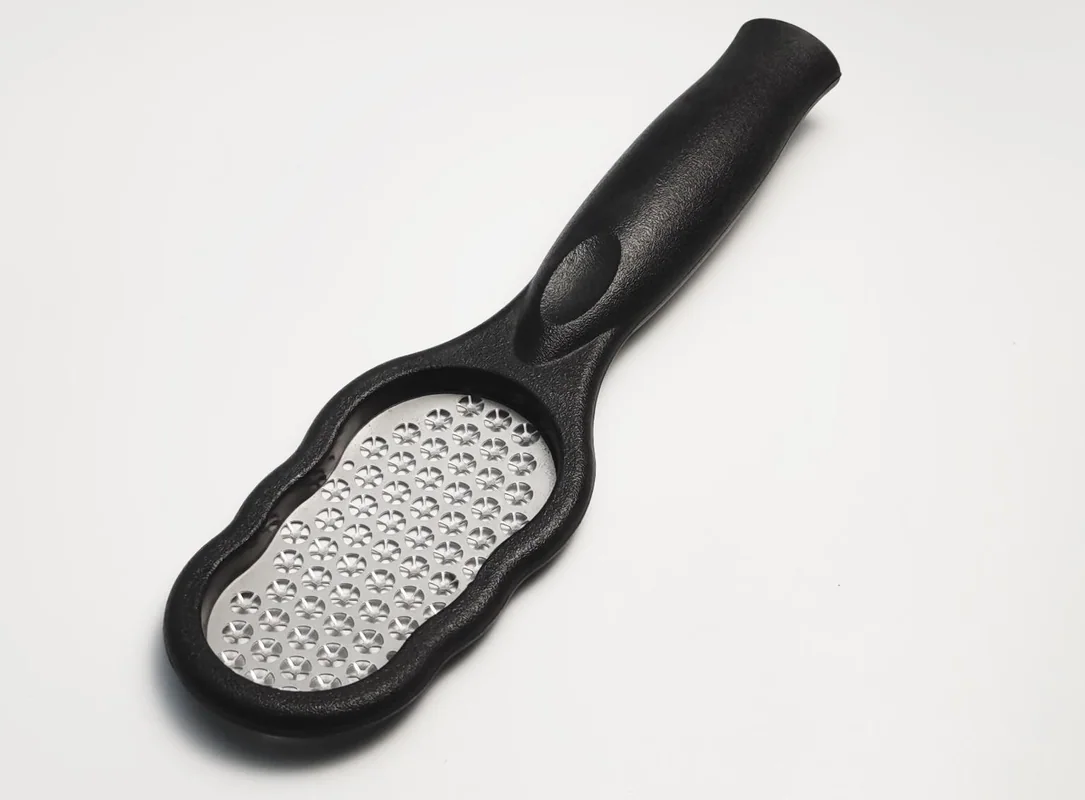
Adding a soft contact surface can turn a single-material part into an overmolding or two-shot project. Our two-shot capability includes a published ABS plus TPE 60A demonstration, while the portfolio also shows hard-soft handled components. These examples are relevant to a buyer seeking grip or integrated contact regions. They do not make every proposed material pair automatically compatible.
Hard-soft handles need a retention decision as well as a feel sample
A grip sample can feel comfortable while leaving the termination edge unresolved. Explain where the user applies load and whether peeling, twisting or cleaning exposure is part of service. The interface may need an agreed bond mechanism, mechanical retention or a revised boundary. A hardness designation alone does not describe how the soft material will remain on the rigid part.
If the softer element is intended to be replaced, a separately fitted component may be more suitable than an integrated overmold. If it is part of a permanent handled assembly, integration may be worth reviewing. Our range of molding services lets the team consider these options while the geometry is still developing. The decision should follow function and production intent rather than a preference for adding another process.
Approve changed plastic components with evidence that can distinguish the versions
JY Pretech’s quality and engineering approach includes dimensional inspection and project-specific checkpoints. For a revised housing, the inspection priority should include the moved port or added mounting feature. Repeating the original report without evaluating the change can leave the very purpose of the new samples unanswered.
A useful sample comparison identifies the prior version, the proposed version and the specific feature under review. It should also record the supplied condition: undecorated, printed, fitted with inserts or assembled with a soft component. This is particularly relevant when the customer has several prototypes on the same workbench. A visually similar object is not a reliable substitute for a controlled part reference.
- For the relocated port, evaluate its relationship to the released mating assembly.
- For the new boss, assess the specified fastening arrangement and local geometry.
- For the grip, agree the interface and appearance evidence as well as the material designation.
- For printed variants, keep the artwork reference with the physical component revision.
Mixed revisions need a delivery plan before the order grows
Do not let an appearance trial consume the functional housing reference
A development team may use one set of housings to review texture or printed markings and another set to assess assembly. Identify the purpose of each set. If the appearance trial also includes an unapproved port change, it should not quietly become the reference for the next functional build. JY Pretech’s finishing operations can be reviewed alongside molding, but each sample needs an understandable relationship to the released component.
This matters for a customer whose sales demonstration and engineering trial happen close together. The demonstration may accept a visible surface that is still being refined, while engineering needs the intended fastening and locating features. Tell the supplier which differences are permitted in each delivery. A simple distinction between demonstration pieces and engineering samples can keep an attractive early part from being treated as evidence for a feature it was never made to evaluate.
The next quantity should reflect what the pilot actually settled
After a trial, separate accepted features from unresolved ones. A housing may have demonstrated its mounting fit while the customer is still choosing its marking layout. A hard-soft handle may have the intended external shape while the retention requirement remains under review. Those are different release states. Increasing the order quantity does not resolve the open technical decision; it only produces more components in the same condition.
Use the pilot findings to narrow the manufacturing discussion. If the port position is settled, preserve that reference while evaluating the boss. If the rigid substrate is accepted, identify whether a later TPE trial changes it or only adds the soft region. This controlled sequence helps JY Pretech concentrate its engineering and tooling work on the remaining question, instead of reinterpreting the entire component after every meeting.
The purchase record should also identify any accepted temporary limitation. A buyer may knowingly use an early molding for an internal fit test while withholding approval for finished production. Record that limited purpose with the sample reference. It gives the supplier clear permission for the trial without implying that the drawing, decoration and delivery configuration have all been released. The final production order can then refer to the completed configuration rather than an accumulation of informal approvals.
A distributor supporting installed equipment may need an older housing and a newer decorated version at the same time. Identify them separately in the purchase and receiving records. If the order includes inserts or flexible components, specify whether they arrive fitted, paired or separately packed. JY Pretech’s finishing and assembly-related services can be included where agreed, but the shipment scope should describe the actual objects being delivered.
Packing should protect the changed features. A relocated thin projection may be vulnerable to loading that did not matter on the earlier design; a newly printed surface creates a different contact concern. Review the proposed handling with the component geometry instead of carrying over the previous packing assumption automatically. The receiving team should be able to distinguish versions without opening every package and comparing them by eye.
When the next drawing change arrives, separate the urgent trial from the stable supply. Tell JY Pretech which released component must remain available, which design question the new parts must answer and who can approve the transition. That gives a changing product program a practical manufacturing path: keep the accepted parts identifiable while the next version earns its own release.