Get a Quote
Home > LSR-Liquid Silicone Injection Molding
LSR-Liquid Silicone Injection Molding
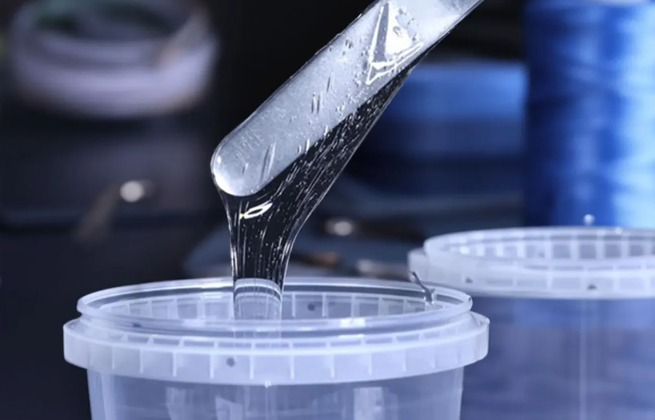
Liquid silicone, or liquid silicone rubber (LSR), is a type of silicone-based elastomer that remains in a liquid state before curing.
Main characteristic:
1. Excellent elasticity, allowing it to deform and recover its shape.
2. Wide temperature resistance, suitable for various environments.
3. Chemical stability, resistant to corrosion and aging.
Application:
1. Widely used in electronic products for sealing, protection, and shock absorption.
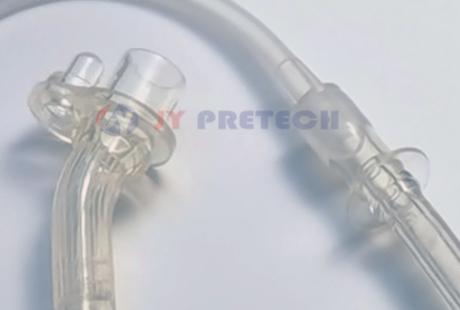
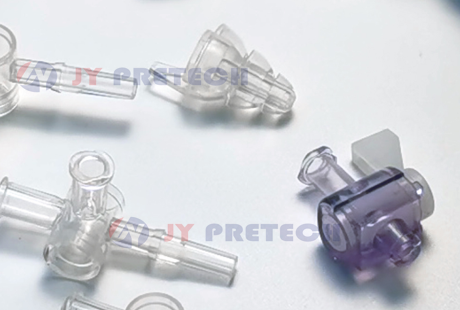
2. Essential in medical devices due to its biocompatibility and sterilizability.
3. Utilized in automotive components for durability and reliability.
The benfit of LSR molding part:
Liquid Silicone Rubber (LSR) molding offers several benefits that make it an attractive choice for manufacturing a variety of parts and components. Here are some key advantages of LSR molding:
1. Versatility: LSR molding can produce parts with intricate designs, complex geometries, and thin-walled sections. It is capable of manufacturing a wide range of parts, from simple gaskets and seals to more complex medical devices and automotive components.
2. High Precision: LSR molding offers high precision and tight tolerances, making it ideal for applications that require exact dimensions and consistent quality. It ensures the production of parts with minimal flash, burrs, or defects, resulting in excellent surface finishes and dimensional accuracy.
3. Temperature Resistance: LSR parts exhibit outstanding temperature resistance, withstanding extreme temperatures ranging from -50°C to 250°C or higher, depending on the specific formulation. This makes LSR well-suited for applications requiring thermal stability, such as automotive components, electrical insulation, and medical devices.
4. Chemical Resistance: LSR materials exhibit excellent chemical resistance, making them resistant to oils, solvents, fuels, and other harsh chemicals. This property makes LSR parts ideal for applications in automotive, industrial, and medical environments where exposure to chemicals is common.
5. Biocompatibility: LSR materials are biocompatible and can be formulated to meet various regulatory standards for medical and healthcare applications. LSR parts are widely used in medical devices, implants, and pharmaceutical packaging due to their biocompatibility, sterilizability, and non-reactivity with bodily fluids.
6. Elasticity and Flexibility: LSR parts exhibit high elasticity and flexibility, enabling them to withstand repeated deformation and stretching without permanent deformation or loss of mechanical properties. This makes LSR suitable for sealing and gasketing applications, as well as for overmolding onto rigid substrates.
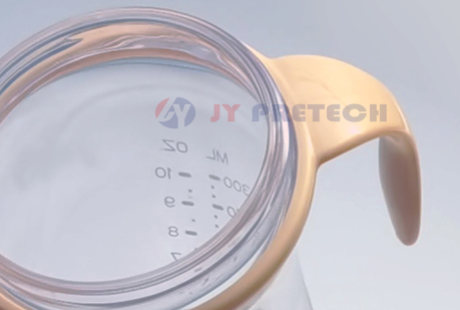
7. Optical Clarity: Some LSR formulations offer excellent optical clarity and transparency, making them ideal for optical and lighting applications such as lenses, light guides, and LED encapsulation. LSR parts can transmit light efficiently without significant loss or distortion, making them well-suited for demanding optical requirements.
8. Sterilizability: LSR parts can be easily sterilized using various methods such as autoclaving, gamma irradiation, or ethylene oxide (EtO) sterilization. This makes LSR ideal for use in medical and healthcare environments where sterilization is necessary to maintain cleanliness and safety.
9. Longevity and Durability: LSR parts are known for their durability and long service life, even in demanding operating conditions. They demonstrate excellent resistance to aging, weathering, UV exposure, and mechanical wear, making them suitable for outdoor, automotive, and industrial applications.
10. Overmolding and Bonding: LSR can be overmolded onto a variety of substrates, including metals, plastics, and textiles, to create integrated components with enhanced functionality and performance. LSR also provides excellent adhesion properties, ensuring strong bonds between LSR and substrate materials.
Overall, LSR molding offers a wide range of benefits, including versatility, precision, temperature resistance, chemical resistance, biocompatibility, elasticity, optical clarity, sterilizability, longevity, and overmolding capabilities. These advantages make LSR a preferred choice for manufacturing a diverse array of parts and components across industries such as automotive, medical, electronics, aerospace, and consumer goods.
Mainly used LSR material
1. WACKER:
ELASTOSILLR 3003 etc.
2. DOWCORNING:
SILASTICLSR 591/9001-50/94-595, etc.
3. JERRY:
JR E610 E615 E620 E625 E630 etc.
4. IOTA:
6120 9118 9150 etc.
5. GE:
ELASTOSILM LSR20X0/LIM2XX0 etc.
6. SHINETSU:
KE G2000 etc.
ELASTOSILLR 3003 etc.
2. DOWCORNING:
SILASTICLSR 591/9001-50/94-595, etc.
3. JERRY:
JR E610 E615 E620 E625 E630 etc.
4. IOTA:
6120 9118 9150 etc.
5. GE:
ELASTOSILM LSR20X0/LIM2XX0 etc.
6. SHINETSU:
KE G2000 etc.
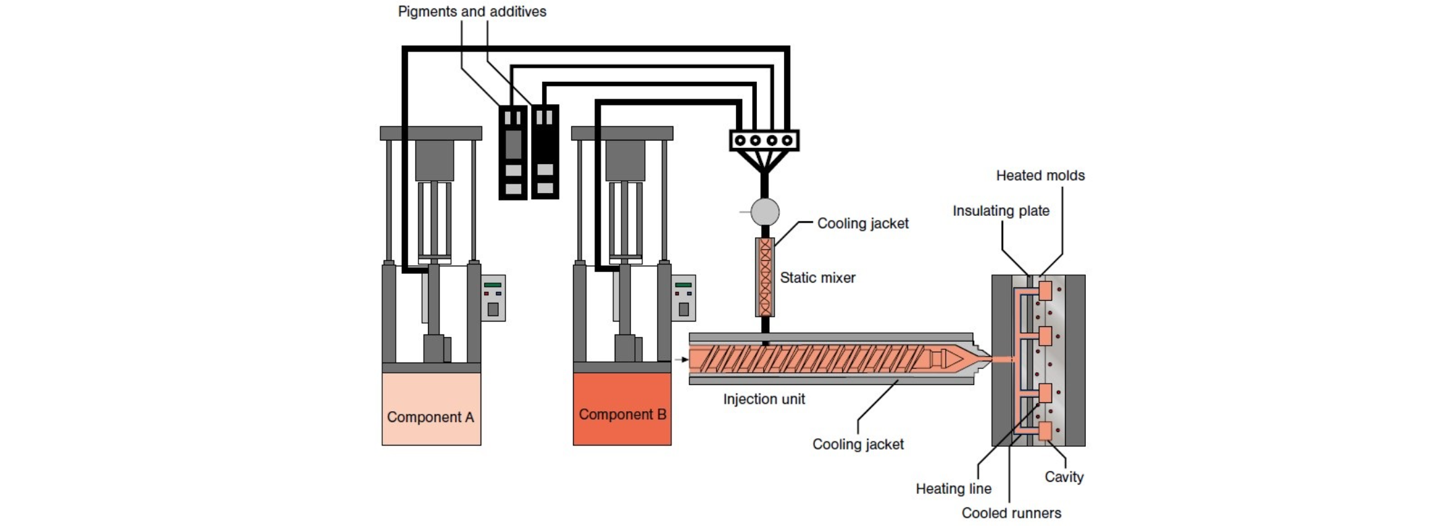
How does Liquid Silicone Rubber Injection Molding Work?
Step 1: Create LSR Molding Tool
Step 2: Prepare Material
Step 3: Inject the Material into Mold
Step 4: Curing Process
Step 5: Cooling and Demolding
Step 6: Post-molding Secondary Operations
Step 2: Prepare Material
Step 3: Inject the Material into Mold
Step 4: Curing Process
Step 5: Cooling and Demolding
Step 6: Post-molding Secondary Operations
What's the difference between LSR & Compression molding?
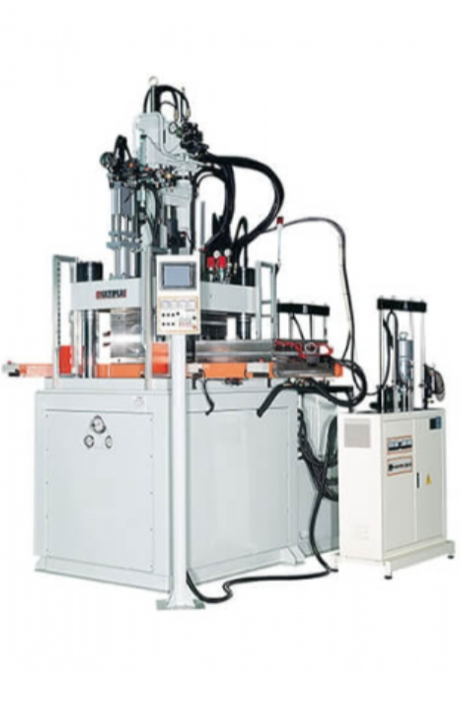
1. LSR silicone molding is accomplished with an injecting device, whereas the compression force carries out silicone compression molding.
2. At a higher level, compression molding is regarded as a cost-effective and optimal process.
3. LSR silicone molding, on the other hand, is a pricey approach. LSR is a more efficient and less time-consuming method, whereas silicone compression molding takes time to complete.
4. Aside from cost and efficiency, the LSR can manufacture various shapes and sizes quickly and with minimum labor. Conversely, silicone compression molding can make any size and shape with thick and thin walls with the assistance of personnel.
5. There are thermal, chemical, and electrical applications for LSR molding. Simultaneously, compression molding is extensively utilized in kitchen wares, infant goods, and pet products.