

 Get a Quote
A Plastic Overmolding Manufacturer for Interfaces That Must Stay Together
The customer-supplied substrate arrives with the correct shape and a clean appearance. The next molding stage still needs to establish what that surface has touched, how the part will sit in the tool and where the second material must stop. A plastic overmolding manufacturer should resolve those questions before accepting the substrate as ready for production. JY Pretech supports custom overmolding, two-shot work, insert molding and tooling. Begin with the substrate drawing and intended finished component in our manufacturing capabilities, then define the handoff between the two molding stages.
This matters when the first component is made elsewhere, stored between operations or supplied in several revisions. A broad instruction to “overmold the plastic” leaves too much unresolved. The substrate is already a manufactured component with its own geometry and surface history; it should enter the second stage under an agreed specification rather than as an anonymous insert.
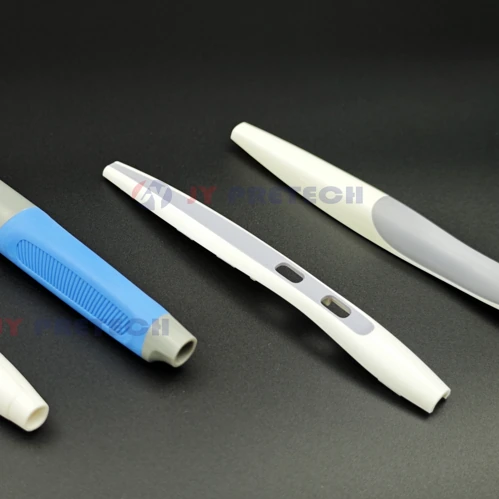
Identify the substrate before a plastic overmolding manufacturer designs around it
In the regular two-stage route described by JY Pretech, the first molded part is removed and placed into another tool for the second material. This differs from the described 2K process, where both materials are molded on the same specialized machine before final ejection. Our two-shot and regular overmolding comparison explains that distinction. The transferred-substrate route makes the incoming component’s identity especially important.
The rigid resin grade belongs with the overmolding order
A label such as PC, PP or PA identifies a polymer family without fully specifying the substrate. JY Pretech lists these families among its two-material options, alongside PBT and several TPE groups. The actual grade, any relevant additive information and the proposed second material should be reviewed together. The new overmold should not be selected from the visible appearance of the first part.
Our homepage demonstrates ABS with TPE 60A, while the materials offering includes other rigid and flexible options. Treat that demonstration as an example of a particular manufacturing approach. It does not qualify a customer-supplied ABS component of unknown grade, and it does not establish that every elastomer with the same hardness will attach in the same way.
Revision marks should distinguish substrates that look nearly identical
Imagine a hypothetical handheld part whose rigid core has a revised internal rib but an unchanged outer silhouette. Both versions may look suitable when unpacked. The second-stage tool may nevertheless depend on the changed region for support or location. Identify the accepted substrate revision and agree how mixed versions will be recognized before they are loaded into the tool.
A second hypothetical project might retain a shell shape while changing its resin source. The purchasing change should be raised before the next overmolding order, because the previous approval referred to a particular material arrangement. Keeping the same part number is not evidence that the substrate’s behavior at the interface remains unchanged.
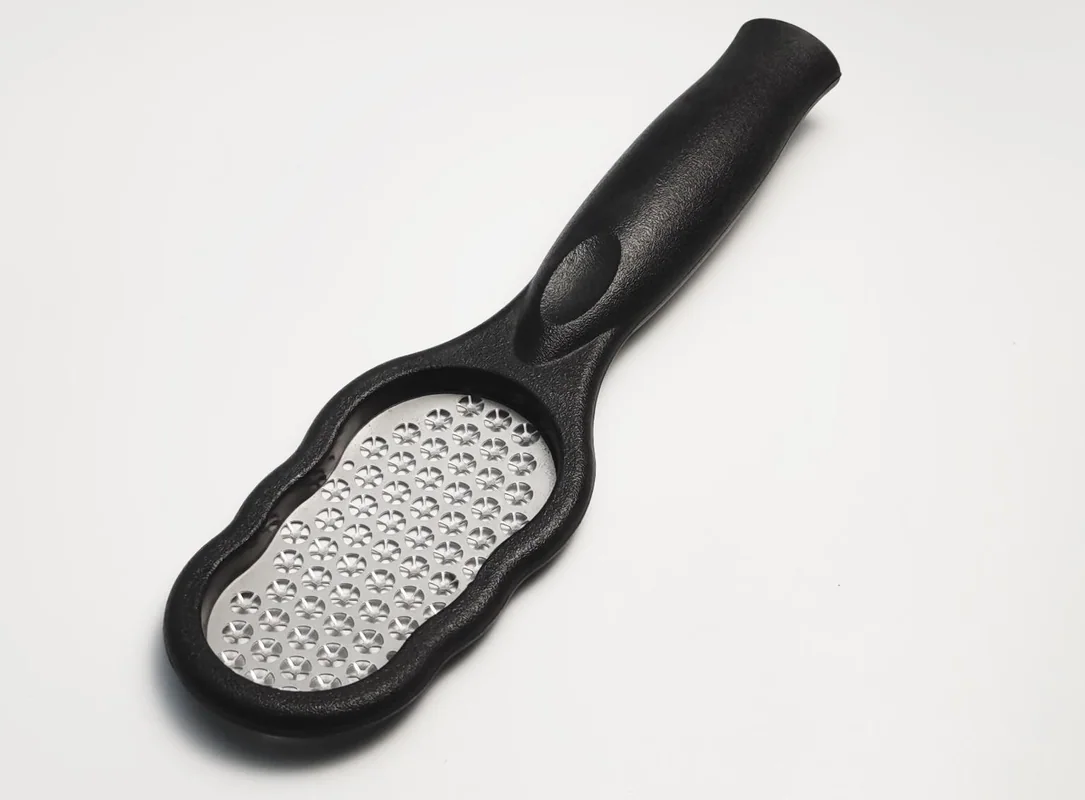
Bring the first-stage surface history into the overmolding discussion
A substrate may have been handled, stored, marked or exposed to another operation before it reaches the second mold. Tell the manufacturer about that sequence. A surface that appears clean to the eye is not a complete technical specification. The suitable preparation depends on the specified materials and must be agreed for the component; there is no universal cleaning instruction that can be applied safely to every rigid plastic.
Printing, coatings and release-related residues need an explicit boundary
JY Pretech offers painting, coating, printing and laser marking among its secondary services. If an incoming component already carries a finish, show which areas are finished and whether the overmold will contact them. A material interface designed against bare resin should not silently become a joint against an added surface layer. The production sequence needs to distinguish those conditions.
For technical background, Avient’s overmolding processing guidance identifies substrate condition and preparation among the factors affecting adhesion. The practical purchasing response is to disclose the actual incoming condition and request a grade-specific review. It is not to prescribe a solvent, primer or treatment that has not been established for this project.
Agree whether preparation is included in the quoted manufacturing scope and what condition the buyer must supply. If the substrate is supplied by JY Pretech, coordinate the first and second operations in the approved process. If it comes from another factory, make the interface between suppliers equally visible. An unresolved handoff can remain hidden until samples fail in a way neither team expected.
Locate and support the substrate for the second shot
The overmold tool has to hold the actual component, not its ideal CAD representation. Identify the locating surfaces and the areas that can safely carry tooling contact. A thin wall beside an opening may need support during the second stage. If the locating method depends on a feature that varies in the first molding operation, the manufacturer needs to understand that relationship before the tool is approved.
A shutoff beside a grip edge must work with the molded core
The place where the second material stops is both a component feature and a tooling problem. Show the rigid areas that must remain exposed and the regions where excess material would prevent assembly or create an uncomfortable edge. The toolmaker can then review the proposed shutoff in relation to the substrate’s geometry and the required boundary.
JY Pretech’s DFM process reviews wall thickness, draft, gates and parting lines before tooling. For transferred-substrate overmolding, ask the team to identify which features are controlled by the incoming component and which are created by the second tool. That division helps the buyer understand whether a later adjustment belongs in the first component, second tool or material proposal.

Do not hide unsupported geometry behind a thicker soft layer
Adding more flexible material is not a general cure for a weak rigid shape. It can change the material distribution without resolving how the first component is supported during molding or use. Explain what the substrate must carry in the completed assembly, and keep that function visible when the grip or sealing feature is revised.
Our bike-seat two-shot case describes the risks of first-shot deformation and limited bonding area. Its assembly review led to geometric changes and additional contact points. The case involves a particular project and process, but its relevant lesson is broader: a material-interface problem may require a design decision rather than a cosmetic adjustment to the second shot.
Separate attachment, edge appearance and completed-part fit at sample review
These observations can appear together on one sample without sharing one cause. A lifted edge concerns attachment. Excess material on a mating face concerns the boundary and fit. A visible line may be an appearance matter. Record the location and condition of each finding so the supplier can investigate a defined problem rather than receive a single instruction to improve “overmold quality.”
For the handheld substrate, assess the edges that a user’s fingers can catch and the features needed to assemble the device. If the overmold has a sealing purpose, also define the finished assembly’s required evaluation. A material layer can remain mechanically retained without proving a fluid barrier. The agreed sample review should not confuse those different functions.
The buyer should identify who supplies any test method and who approves the result. A company-specific durability requirement should be shared before trials when it influences the tool or material decision. If representative application testing remains with the customer, record that boundary honestly. JY Pretech’s molding and inspection scope should be stated separately from the product owner’s final application qualification.
Trace an overmolding finding back through both material stages
Suppose the first samples are acceptable but a later delivery shows lifting at one exposed corner. Before changing the second material, compare the incoming substrate revision, resin identity, prior operations and the affected geometry. Then review the agreed overmolding conditions and locating arrangement. This is a proposed investigation path, not a claim that one listed cause explains every failure.
Keep a sample of the relevant substrate condition if that is part of the agreed project record. A finished part alone may not show whether the incoming first shot had a local sink, an altered finish or a different feature. The useful evidence is specific to the interface under discussion; a pile of unrelated inspection records can make a technical conversation longer without making it clearer.
For a change to the rigid core, ask whether it affects the overmold cavity or the way the part is held. For a changed color formulation, ask whether the material pair needs another assessment. For a new finishing operation, identify whether it touches the bonding region. These questions prevent a small upstream purchasing change from becoming an unexplained downstream defect.
Define the delivered overmolded part, including the surfaces the pack must preserve
Two substrate sources should not share one approval by default
A buyer may want a second factory to provide the rigid handheld core while retaining the same overmolding tool. Compare the proposed sources against the incoming specification before combining their parts in one delivery. The exterior may look common while a locating surface, gate area or prior finishing step differs. The second-stage tool relies on the component it receives, so source approval should consider that relationship rather than only the nominal resin family and outer dimensions.
Ask the two suppliers to identify which substrate features the overmolding operation uses. If one source proposes a revision in that area, review it with the second-stage manufacturer before the change is released. This is especially useful when the substrate drawing was originally prepared only to describe the finished assembly, without showing which surfaces would later locate the component inside another mold.
For a trial using the alternative source, keep its samples identifiable. If the overmold result differs, the team then has a concrete comparison rather than an undifferentiated mixture of rigid cores. The customer can decide whether the difference is acceptable, whether the incoming specification needs clarification or whether a tooling adjustment is appropriate. None of those decisions should be assumed merely because both first-stage suppliers have produced usable parts on other projects.
Where JY Pretech provides both molding stages, the same logic applies internally to an approved change in the first shot. Coordination is valuable because the rigid component and its overmold can be reviewed as one manufacturing route, with their boundary clearly defined.
A transferred-substrate project may end with a bare overmolded component or continue through printing, insert installation and assembly. JY Pretech supports those additional operations within its manufacturing offering. State which condition the order buys. The approved sample should represent that scope or make the remaining operations explicit, particularly when later handling could affect an exposed soft edge.
Packing is part of that condition. A rigid core may stack neatly before overmolding but need a different arrangement once soft features project from it. Identify surfaces that should not rub, edges that should not be folded and the component identity required on the shipment. Confirm the actual arrangement for the project rather than assuming that a container suitable for the first shot remains appropriate for the finished part.
When the order is repeated, reference the approved substrate and finished-component specifications together. Our quotation, DFM and sampling process provides the sequence for establishing those agreements. The earlier mold manufacturing article offers additional context for the tooling stage. Bring JY Pretech the real incoming component history as well as its CAD model; the second shot can then be planned around the substrate that will actually arrive.