

 Get a Quote
Choosing an Ultem Molded Parts Supplier Without Losing the Grade Definition
A drawing that says “Ultem” identifies a useful material family but leaves an important purchasing decision unfinished. The supplier still needs the selected grade, the component geometry and the condition in which the part will be accepted. JY Pretech is an Ultem molded parts supplier through its PEI and high-heat injection molding work, serving teams that need custom components rather than an undefined material substitution.
Our materials directory lists Ultem PEI, and the high-heat manufacturing service connects material selection with tooling, processing and inspection. These are appropriate starting points for equipment developers and industrial purchasers. Before comparing offers, establish whether you are buying molded components, a tool-and-parts program or another agreed deliverable. Preserve the exact resin designation that the engineering team intends to evaluate.
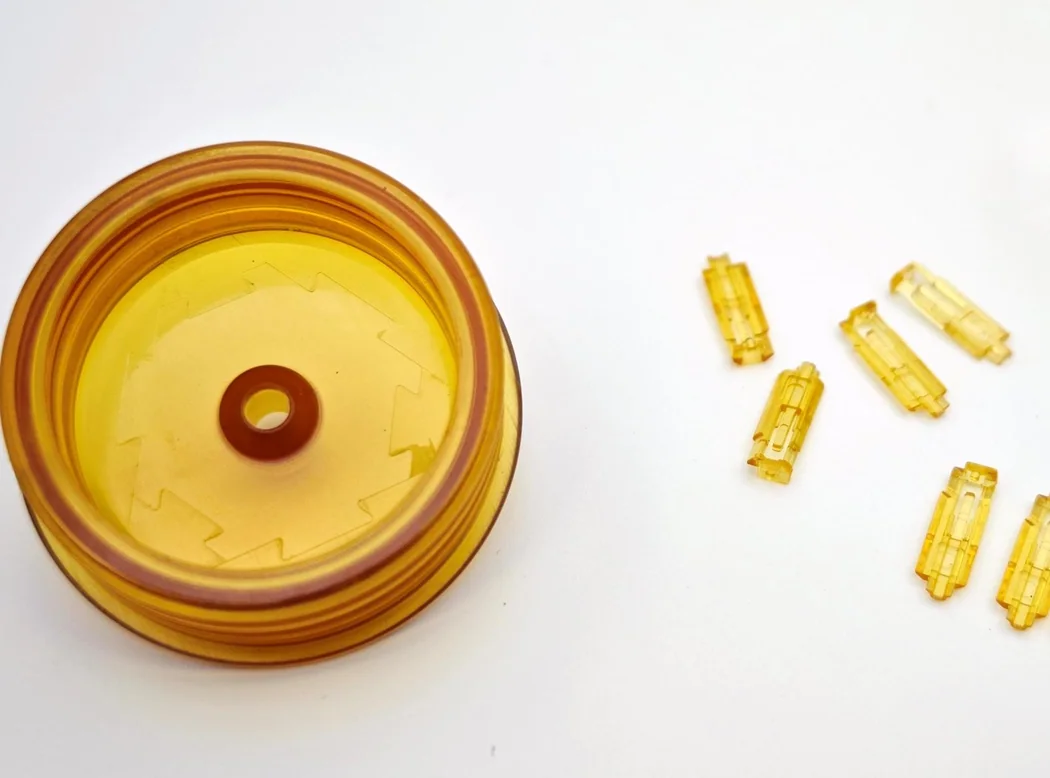
An Ultem molded parts supplier should distinguish the brand family from the finished component
ULTEM is a SABIC resin brand family associated with polyetherimide, or PEI. A resin brand, a material grade and a custom molded component describe different things. JY Pretech’s service concerns manufacturing the agreed part. The material designation belongs in that manufacturing definition, but it does not replace the drawing or determine every property of the finished product by itself.
A PEI family name is not a complete purchase-order material instruction
State the actual grade, any required color or reinforcement and the documentation needed for the application. If the grade is still under evaluation, identify the proposed alternatives as development options. Do not allow a provisional quotation description to become the final production instruction simply because nobody replaced the broad family name after sampling.
For a technical buyer, this is particularly important when material and geometry reviews happen in different teams. Engineering may evaluate a specific sample while purchasing receives a simplified description. Connect the sample reference, material designation and drawing revision before the order is released. This keeps the commercial record aligned with the component that was actually assessed.
Amber appearance cannot verify an Ultem grade
JY Pretech’s PEI example shows amber technical components, but appearance alone cannot establish a grade identity. A photograph can help discuss shape or a visible finish; it is not material evidence. Where the project needs identification records, agree which documents will accompany the component and what material or production reference they concern.
Imagine a customer returning an attractive development sample and asking for more of it. The supplier needs to know whether that object is the appearance reference, the dimensional reference or both. If it came from an earlier trial, identify the applicable grade and drawing. A sample without its technical identity is an incomplete instruction for repeat manufacture.
Choose molded PEI parts around the feature that controls their use
Our manufacturing range includes technical components, device panels, high-performance parts and supporting operations. A PEI component should have an application requirement that justifies the grade and process. Define the relevant locating surface, operating exposure or other functional feature before treating a demanding material as the default choice.
A support that positions another component needs an explicit dimensional reference. A visible cover needs an appearance definition. A part with an electrical role requires appropriate grade information and an application review. These needs can overlap in one component, but they should remain distinguishable in the manufacturing brief. A favorable resin description cannot settle them all at once.
Electrical and thermal requirements need the exact grade documentation
SABIC’s ULTEM resin information is a primary source for understanding the family. Obtain the applicable current grade data for the project. Published material values have defined conditions, and a finished part’s behavior also depends on geometry, processing and the surrounding assembly. Do not turn a family description into an unconditional equipment rating.
For a purchaser replacing a metal or conventional-plastic component, identify what the replacement is intended to improve. If the design also changes its locating arrangement or wall structure, make those changes visible. The manufacturer can then review the entire proposed component instead of assuming that changing the polymer leaves every other manufacturing and acceptance condition untouched.
The Ultem supplier comparison should name the supplied object
JY Pretech offers tooling, molding and secondary operations. These capabilities can be combined differently for different programs. One offer might concern trial moldings, another might include a released component after marking or machining. Compare those scopes before comparing totals. An apparently similar part description can conceal work that the buyer still needs to organize.
| What the customer orders | What the scope should make clear | Evidence needed at release |
|---|---|---|
| PEI trial components | The nominated grade, geometry and purpose of the trial | Identity of the sample set and the findings it is intended to establish |
| Finished molded parts | The accepted drawing and included secondary operations | Inspection in the agreed supplied condition |
| A mold for another plant | The receiving tool and machine requirements | Agreed trial and handover information |
| Components for customer processing | The intermediate condition and work remaining downstream | Acceptance requirements appropriate to that intermediate stage |
Our export tooling service is relevant to the third arrangement. A buyer planning to run the mold elsewhere should provide the receiving requirements early. The material name alone cannot establish compatibility with a particular press or a complete handover package. Those details belong to the actual tool program.

A PEI sample program needs a clear path from development to acceptance
The published PEI project describes flow analysis, drying, tool machining, process setup and sample inspection. It also acknowledges improvement after the first trial. The useful lesson for a supplier evaluation is the connection between those stages. A tool completion date and an accepted component are separate milestones.
Flow analysis and dimensional inspection answer different PEI questions
Flow analysis supports the manufacturing review of filling and related tool decisions. Dimensional inspection assesses the component against its drawing. A buyer should not accept one as evidence of the other. The project needs both an understandable manufacturing route and a defined target for the parts that route produces.
JY Pretech identifies 3D CMM and 2D projection among its inspection resources. For a locating feature, agree the relevant reference and measurement condition. For a visible region, agree the appearance standard separately. The resulting sample review should identify what has been accepted and what still needs development, rather than issue one vague approval for the entire program.
For more detail on the manufacturing stage, the PEI trial and component article examines how an observation becomes a specific next action. An Ultem supply release should preserve the outcome of that work: the accepted grade, drawing and supplied condition. Those references make later purchases more reliable than asking for another batch resembling a remembered prototype.
Do not transfer another material’s approval into an Ultem component order
Our material range includes PEEK, PPSU and conventional engineering plastics as well as PEI. They provide alternatives for different applications, but a component approved in one material has not automatically been approved in another. A change should be reviewed for its effect on the tool, processing and acceptance requirements. The purchase description must reflect the actual released configuration.
A buyer may prefer a common high-performance material across an equipment family. That preference should be checked against the different component functions. A fitting’s fluid exposure, a gear’s working contact and a support’s locating requirement can lead to different decisions. Standardization is useful when the requirements match, rather than when the parts merely share a demanding operating environment.
The medical context of the PEI example also requires a clear boundary. A published manufacturing case does not provide automatic approval for a new medical device. The buyer should identify intended use, required material evidence and downstream responsibilities. JY Pretech’s manufacturing scope should remain tied to the component and operations actually agreed for that project.

Preserve the Ultem part definition through finishing and delivery
Reconcile the Ultem quotation, drawing and sample before the first repeat release
An overseas purchaser may hold three documents prepared at different stages: an early quotation, a later drawing and a sample report. Put their material descriptions beside one another. If the quotation says only Ultem, the drawing nominates a grade and the report refers to a different trial version, the package is not yet a clear repeat-order instruction. Resolve those differences before treating the commercial scope as settled.
The same check should identify the object covered by the price. A quotation for molding may not include the marking or secondary work shown on the accepted sample. A sample prepared for appearance discussion may not reflect the dimensionally released condition. The advantage of JY Pretech’s connected tooling, molding and finishing services is the ability to discuss those operations together. The order still needs to record the actual agreed combination.
For a buyer receiving parts at a separate assembly facility, send the resolved reference to that facility as well. Its incoming team needs to know which part it is accepting and which work remains downstream. An email understood by the original design engineer may not provide enough information for a receiving inspector who sees the component for the first time.
Material substitutions should require a named technical decision
If an alternative grade is proposed, identify what changes and why it is being considered. The customer’s technical owner should assess the relevant requirements using current material information and the component definition. Do not let a commercial description such as equivalent PEI become the only justification. The tooling and inspection implications need to be reviewed alongside the material decision.
For a buyer who has already qualified a specific component, the approval history matters. A substitute should not inherit the accepted sample’s status merely because both materials belong to the same brand family. Record the proposed grade, the drawing it would be used with and the evidence needed to accept the change. This gives JY Pretech a defined development request rather than an ambiguous instruction to keep production moving.
Company qualification and Ultem material evidence answer different questions
JY Pretech describes an ISO 9001:2015 quality management system and publishes its company and manufacturing background. Those details help a purchaser begin supplier qualification. If a current certificate is required, obtain it and check its scope. That organizational evidence should remain separate from documentation about the nominated resin or approval of the finished application.
A resin document helps identify the material and its stated properties. A component inspection record identifies what was checked against the drawing. A company certificate concerns its stated management-system scope. Keeping those distinctions visible produces a stronger Ultem supplier review than treating any one document as proof of every other requirement.
If a PEI component requires marking, machining or assembly-related work, specify where those operations sit in the acceptance sequence. A functional dimension checked before a later operation may not represent the final supplied part. The quotation and drawing should describe what the customer will receive, including any work intentionally left for the customer’s process.
At the separate assembly facility, receive the Ultem component against the resolved material-and-drawing reference. If an alternative PEI grade is being shipped for evaluation alongside the accepted version, identify which sample set carries that proposed substitution before either set enters assembly stock. Agree protection for the locating or visible surfaces that will be examined, but do not use an intact package or a familiar amber appearance as evidence that the material substitution has been accepted.
For the next order, replace the broad word Ultem with the complete released material designation beside the drawing reference. Keep the approved sample identity and supplied condition with it. That gives purchasing a defined component to order and gives JY Pretech’s tooling and molding team a stable manufacturing target. The grade decision should survive all the way from the engineer’s evaluation to the part received on the assembly bench.