

 Get a Quote
Choose a 3D Printed Metal Parts Supplier by the Finished Deliverable
The quotations use the same model, yet one stops at a metal build and another includes removal work, treatment and machined interfaces. Their totals describe different objects. A 3D printed metal parts supplier should make the delivery stage identifiable so an engineering buyer can compare the component it needs, rather than an attractive price for only part of the route.
JY Pretech’s metal printing and post-machining service connects selective laser melting with the operations needed to complete relevant features. Start by defining the finished component, approved material, critical interfaces and acceptance records. The broader manufacturing range also makes it possible to discuss whether another route is more suitable. The quotation should explain which route and operations are actually proposed.

A 3D printed metal parts supplier should identify the delivery stage
A build with supports attached is a different receiving task from a finished component with accepted bores and threads. Neither description is inherently wrong if it matches the order. The problem is an unexplained boundary between supplier and buyer. State which operations remain after delivery and who will perform or approve them.
An as-built body is not the same purchase as a machined housing
Consider a buyer ordering a custom metal housing for an equipment assembly. Its external form may be printed, while mounting faces and threaded holes need subsequent machining. If the buyer expects the completed housing, those operations belong in the scope. A model alone may not identify which surfaces require a final specified condition.
JY Pretech explicitly describes CNC machining for precision holes and threads within its additive service. Mark the required features on the dimensioned drawing and relate them to the component’s mounting references. This turns the quotation into a proposal for an accepted object rather than a general estimate for its visible shape.
Supports, powder and the build plate need their own scope decisions
The metal printing process can require support removal, powder removal and separation from the build arrangement. Ask what stage is included. If a buyer’s toolroom will complete an intermediate item, say so. If the supplier is expected to deliver a component ready for the next assembly stage, make that requirement explicit.
A hidden region can require additional discussion about removal access and verification. Outside appearance does not establish the state of an internal passage. Identify any function or cleanliness requirement that needs evidence beyond a routine dimensional check, and agree the relevant responsibility before the order is released.
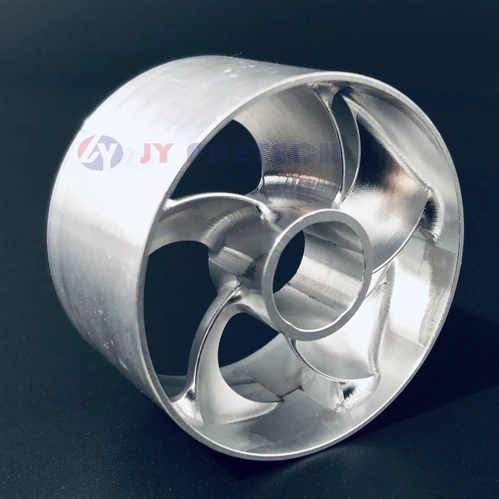
Compare metal-print quotations with the same material condition
JY Pretech lists 316L, 17-4PH, S136, ASSAB Corrax, Ti6Al4V and AlSi10Mg in its metal printing information. These designations provide real routes to review, but they do not describe one interchangeable metal product. The quotation should identify the approved material and the condition relevant to acceptance.
A grade name and an agreed final condition belong together
A buyer may receive a proposal that names an alloy without explaining the supplied condition. If treatment is required, identify the operation and relevant evidence within the scope. Do not infer a universal mechanical property or hardness from the grade label alone. The accepted requirement should remain connected to the final component.
Our metal printing material information provides a starting point for that discussion. If the drawing names a particular designation, retain it in the order. If an alternative is proposed, review the reason and the requirements that must be reevaluated instead of treating the change as an administrative substitution.
Material documents should describe the evidence actually requested
A raw-material document, a treatment record and a finished-component inspection report answer different questions. Identify which are required and what they must establish. A general request for certification does not define the expected evidence, and a document for one stage should not be expanded into approval of the whole assembly.
JY Pretech’s project quality information provides a route for agreeing records. The buyer should connect those records with its actual incoming and customer requirements. Product approval, regulated-use qualification and application testing should not be assumed from the presence of a material designation.
Finish requirements should follow the surfaces that will be used
The additive service describes media blasting, plating, polishing and machining among possible post-processing routes. Select the relevant operations around the actual component. A general smooth finish instruction does not identify which face locates the part, which region is visible or which opening must accept hardware afterward.
Blasting and polishing should not replace a dimensional interface requirement
A component can have a more uniform visible surface while still needing machining at a mounting interface. Identify the different purposes. Appearance work should be evaluated against an agreed reference, while functional dimensions should remain tied to the drawing. One operation does not automatically provide evidence for the other.
For an equipment housing, the outside may be visible while an internal face establishes installation. If a treatment affects a critical feature, review the accepted final condition. A measurement taken before the last operation should not be read as final acceptance without understanding what happens afterward.
Threads and protected faces need clear treatment boundaries
If a finish must be excluded from a thread or mating region, identify the boundary and the requirement it protects. Discuss how the completed component will be checked. Do not leave a finishing supplier or receiving assembler to discover that an operation included in the order changes the way hardware fits.
These are component-specific decisions, not a claim that every treatment is available for every listed alloy. JY Pretech should confirm the proposed route for the actual material and geometry. The quotation then describes a consistent sequence leading to the component the buyer expects.
Review the complete route before comparing the price
A lower total can reflect a narrower scope. Align material, removal work, treatment, machining, inspection and the receiving stage before interpreting the difference. The useful comparison asks what remains to be paid for or performed after each proposed delivery, including work inside the buyer’s organization.
Supplier completes the component: the order defines the accepted final interfaces and agreed evidence.
Buyer completes an intermediate item: the order defines stock, references and the unfinished delivery stage.
Printed stock for later machining needs an agreed intermediate definition
If the buyer will machine the component, provide the final requirement and discuss the intermediate geometry needed for that route. The stock and locating arrangement should support the later operation. A bare printed copy of the final model may not be the right unfinished delivery object.
Renishaw’s metal additive design guidance provides general context for planning supports and later work. It helps explain why preparation should consider the full route. Its specific parameters and equipment capabilities should not be attributed to JY Pretech.
A fabricated alternative should be compared in its completed condition too
Our sheet metal service provides another route for suitable supports or enclosures, while CNC manufacturing is described in the capability overview. If these options meet the component function, compare their completed scopes. Printing should earn its place through the actual geometry and project requirements.
The metal component assembly guide examines the geometry decision in more detail. Supplier evaluation adds another layer: the selected organization must explain how its offered delivery object reaches the same accepted component definition used in the comparison.
A revised metal housing can change several quoted operations together
If the buyer enlarges a mounting foot or moves a threaded opening, review the effect beyond the changed feature. The build arrangement, finishing access and inspection references may need attention. A revised model should be accompanied by a clear change description so the supplier can identify which parts of the offered route remain applicable.
For a housing delivered with machined mounting faces, the order should still describe the finished face after the geometry change. An old machining assumption may not transfer automatically to a new shape. If the supplier proposes an altered manufacturing sequence, connect that proposal with the accepted drawing and the evidence expected at delivery.
The comparison can be organized around the physical component rather than a generic cost breakdown:
- Housing body: the approved material and build geometry, including any internal condition requiring review.
- Mounting region: the final face and hole relationships, with the proposed machining and checking scope.
- Connection features: the finished threads or other interfaces and any treatment boundaries.
- Visible exterior: the required surface condition and the reference used to accept it.
This makes a price revision interpretable. The buyer can see whether the change concerns the printed body, the critical interfaces or a finishing requirement. It also helps prevent a supplier from being asked to maintain an earlier total while delivering a materially different object. Any commercial adjustment should follow the agreed component scope, rather than an assumption that a similar-looking CAD file represents identical manufacturing work.
Retain the final scope alongside the revised drawing. A receiving engineer reviewing the delivered housing should not need to infer which version of the quotation covered its mounting face or internal feature. The accepted records should identify the component that was actually ordered.
Resolve the remaining scope questions before a finished metal-print order
A short set of concrete questions can expose an incomplete comparison. Use them with the actual drawing, material and receiving plan. The answer should identify the work proposed for the order, rather than repeat a broad statement that the supplier can make complex metal parts.
Does stress relief mean every required material property is approved?
No. A treatment has a defined purpose and scope, and the accepted component requirements still need appropriate evidence. Ask what is included and which records or tests the project requires. Do not infer a completed application qualification from the name of one processing step.
JY Pretech describes heat-treatment discussion within its metal printing route. The specific operation, material condition and acceptance basis should be agreed for the component. An external producer’s property table is useful technical context only within its own conditions, not a ready-made result for this order.
Can a first sample approve the housing before every operation is complete?
It can support a limited development decision if that purpose is recorded. For example, an intermediate sample may help assess a geometry question while final surface work remains open. The release should state what is accepted and what still requires review before finished supply.
Keep that limitation attached to the sample and drawing revision. Otherwise, an engineering approval can be interpreted as acceptance of an appearance or final condition that the evaluator has not seen. The later production instruction should refer to the completed configuration actually approved.
What should the receiving team identify on delivery?
The delivered component should be connected to its part number, revision, material basis and agreed records. If further work remains with the buyer, that stage should be apparent. Similar printed bodies can represent different conditions even where their outside geometry looks identical.
Agree protection for exposed threads, machined locating faces and any delicate geometry. The arrangement should preserve the accepted surfaces through handling. A general shipping promise should not replace the part-specific discussion of what the next operation needs to receive.
Release the supply scope that your assembly plan actually uses
JY Pretech’s company profile explains its custom manufacturing and coordinated resource model. For a metal-print order, confirm the actual operations, material, quantity, records and schedule. The service range provides relevant options; the accepted proposal establishes which are included in this delivery.
Place the competing quotations beside the finished housing drawing. Mark the last completed operation under each proposal and the evidence supplied with it. Once those boundaries match, the buyer can judge price and timing against a consistent receiving task. That is a more useful supplier comparison than treating every printed shape as the same finished part.