

 Get a Quote
A Rapid Tooling Manufacturer Should Shorten the Right Part of Your Launch
The launch date is fixed, but the product is not. A purchasing team has a released mounting interface, an unfinished surface decision and an uncertain first production quantity. Ordering the fastest-looking mold does not resolve that conflict. A rapid tooling manufacturer should help connect the tool proposal to the decisions that can be made now and the uncertainties that still affect the next batch.
JY Pretech’s rapid tooling and molding service provides a route for prototype and bridge projects. It combines DFM review, tool construction, trial molding and inspection within the agreed scope. For an industrial product launch, begin with the current CAD, intended resin, required parts and the features that remain open. Our manufacturing process explains the stages that must be coordinated; a project schedule should identify their actual dependencies.
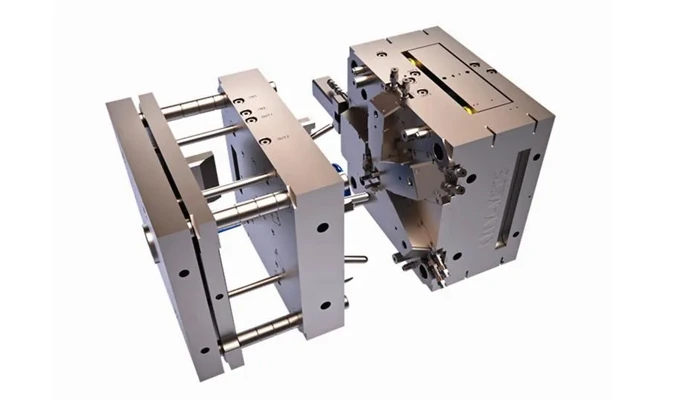
Choose a rapid tooling manufacturer around the release that is ready
Rapid tooling is most useful when the team understands what it is asking the tool to prove or supply. A bridge mold can support a defined near-term program while longer-term demand develops. It should not become a way to conceal an unresolved drawing, an unselected material or a missing approval. Those issues still influence the physical parts.
A released mounting pattern can coexist with an unsettled cover surface
Consider an equipment cover whose mounting bosses must match an existing chassis. Those interfaces may be ready for manufacture even while the visible texture is under review. Give JY Pretech the distinction explicitly. The engineering discussion can then address whether the construction and trial sequence can support the planned decisions without assuming that every feature is frozen.
The opposite situation needs a different response. If the mounting pattern itself may move, an early tool commitment can create a change that affects cores, ribs and neighboring surfaces. Ask what the proposed construction can reasonably accommodate. Do not interpret the word “rapid” as a guarantee that any later redesign can be absorbed without cost or schedule consequences.
A bridge quantity should describe the actual equipment build
State the number of parts needed for the next build and whether complete sets are required. A cover-and-base program creates different demand from a single replacement panel. Separate the immediate bridge requirement from forecasts that are still uncertain. This allows the manufacturer to discuss the present delivery task without treating an optimistic annual figure as a firm operating condition.
JY Pretech also offers production molding and associated finishing. That breadth matters when the first useful output is a completed component rather than a bare molding. A rapid tool that produces covers quickly may not complete the launch requirement if the order also needs printing, inserts or an appearance approval. Include the required supplied condition in the initial discussion.
Rapid mold construction involves more than selecting a softer steel
The published tooling options include P20, C50 and H13 steels, with 7075 and 6061 aluminum considered for suitable simple applications. These are construction choices to review against the resin, geometry and program. No material name by itself establishes a tool’s suitability, useful life or delivery date for every component.
P20 and H13 decisions should follow the part and resin
A buyer may compare two proposals that use different steels and assume one is simply a more expensive version of the other. Ask what component requirement drives the choice: the intended material, a surface requirement, a feature configuration or the expected program. The useful comparison explains the construction rather than reducing the decision to a price difference between names.
For a development enclosure, some surfaces may remain change-sensitive while the rest of the part is stable. Review the affected tool regions and the proposed change path. If the design moves a deep feature across the parting arrangement, the consequences can be different from a local change to an accessible insert. A credible plan acknowledges that difference before the launch schedule relies on it.
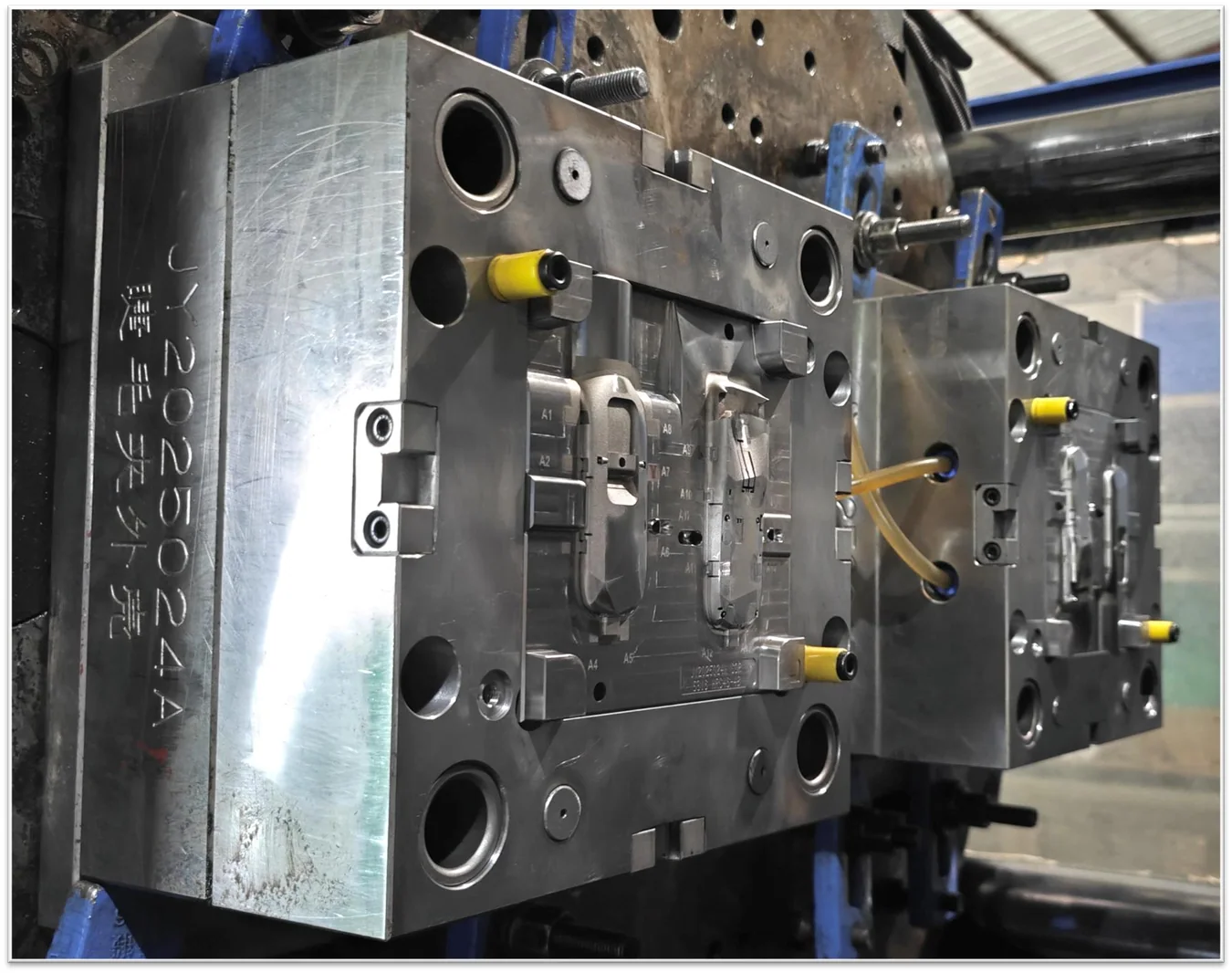
Hand-loaded undercuts and hydraulic sliders create different bridge-tool choices
JY Pretech describes hand-loaded inserts and hydraulic sliders among its rapid-tooling options for appropriate features. A manually handled arrangement may be considered for a suitable development task; another program may justify a different mechanism. Discuss the proposed operation, the part’s release needs and the quantities expected from the bridge period.
The important purchasing question is whether the chosen arrangement suits the intended work, including handling and repeat orders. An early assembly batch and an ongoing supply program are different operating assumptions. Review the plan again if demand changes substantially, rather than expecting the initial development construction to remain the preferred choice under every later condition.
Keep molding review ahead of the launch-critical tool features
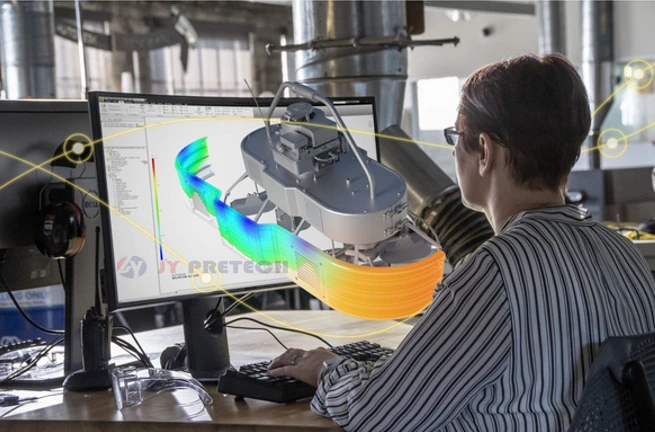
JY Pretech’s engineering review addresses wall thickness, gating, parting lines, draft and ejection, with flow analysis where appropriate. These discussions help connect the model to the manufacturing route. Skipping them can leave a visible mark, an inaccessible release feature or a difficult wall arrangement to be discovered when the project has less room to respond.
The Protolabs moldability toolkit provides general background on these geometry questions. It is useful for understanding why manufacturing review belongs before construction. The actual gate locations, surface decisions and tool arrangement should still be agreed with JY Pretech for the component being ordered.
VDI or Mold-Tech texture should not be an undefined late instruction
Our tooling information lists polished, high-gloss and VDI or Mold-Tech surface options. If the launch requires a textured enclosure, identify the reference, the treated regions and the approval method. A late request for an unspecified texture can affect appearance decisions and the release discussion. The visible product requirement should be represented in the planned sequence.
A team can sometimes separate an early functional evaluation from later appearance approval, but it must record that decision. A bare sample accepted for mounting fit is not automatically an accepted final cover. If the launch batch requires a particular texture, color or printed marking, its completed condition belongs in the release plan.
At the bridge-order review: keep three statements separate: what is released, what the next trial will establish and what remains outside the present order. This prevents an urgent purchasing instruction from becoming an ambiguous engineering approval.
Material and secondary operations can control the useful delivery date
A molded part is useful when it reaches the condition required by the next operation. JY Pretech’s manufacturing capabilities include insert installation, printing, laser marking, coating and assembly-related work. Establish which of those operations applies to the bridge batch and what must be approved before it proceeds.
For an industrial instrument panel, an undecorated molding may be sufficient for a mechanical build. The saleable unit may also need artwork aligned to controls or a viewing region. If the schedule requires finished panels, artwork approval is a project dependency. Producing the mold faster does not remove that dependency or establish that a later surface treatment has been accepted.
High-heat resin trials should remain tied to the intended application
JY Pretech’s high-heat processing route covers materials such as PEEK, PPSU and PEI. A launch team using one of these materials should define the grade and application questions before the trial. An urgent material substitution can change what the samples demonstrate. Record that boundary rather than treating any molded shape as equivalent production evidence.
A fitting intended for an equipment validation exercise may need its mating components available for the customer’s checks. A high-heat technical part may require a separate application test outside the molding scope. Clarify those responsibilities and the time needed for feedback. A schedule that omits buyer evaluation can look short while leaving the real release date unresolved.
A two-material grip may need a different bridge strategy from a single-shot cover
JY Pretech offers overmolding and two-shot molding, and the portfolio includes handheld parts and multimaterial housings. If the launched product needs a rigid structure and a softer contact region, decide which manufacturing configuration the bridge order must represent. A single-material trial can answer some geometry questions while leaving the material interface unresolved. That limitation matters when grip retention or sealing is part of the customer’s evaluation.
A developer may first need the rigid substrate to establish its mounting and switch positions. Later samples may need the completed overmold to evaluate the supplied contact surface. These are connected but different decisions. The tooling scope should identify the sequence, which pieces are supplied at each stage and which interface requires approval. It should not imply that a bare rigid component proves the completed two-material part.
The two-shot molding example offers a relevant reference for discussing that route with JY Pretech. For the new component, the exact materials, locating arrangement and appearance requirements still need review. A rapid program should preserve the product function that justifies the extra material, rather than removing it solely to make the first tooling date look earlier.
This can change the launch conversation constructively. The team may decide that rigid substrates are sufficient for the next mechanical build, while a later complete sample is required before the product release. Alternatively, the near-term build may need the full material combination. Making that distinction now allows the order to match the launch task and prevents a quick partial delivery from being mistaken for a completed development milestone.
Evaluate a bridge sample against the decision it must unlock
The rapid tooling project example provides a reference for discussing this service with JY Pretech. Use a published example to understand the type of work, then define the new project’s acceptance scope. Similar-looking components can need different material, dimensional and surface evidence.
Our prototype material-trial guide develops the earlier-stage question of what a trial must establish. A bridge launch takes that reasoning further: the next batch must meet a defined production or development need while the remaining release decisions stay visible.
For a mounting trial, identify the features and mating arrangement that control fit. For an appearance decision, provide the reference and inspection condition. For a finished bridge order, include the operations applied after molding. Our inspection approach can be reviewed around those features, rather than treated as an undefined promise to check everything in the same way.
- If a boss position changes: update the component definition and the relevant inspection target before authorizing the next batch.
- If only artwork remains open: distinguish mechanically accepted moldings from finished panels that still require appearance approval.
- If demand expands: review whether the current tool construction and operating sequence still suit the program.
- If the mold will move: bring the receiving plant’s interfaces and handover needs into the discussion before dispatch.
The last point matters when a rapid mold is intended to support production elsewhere. Our export tooling service addresses another delivery object: a tool that a receiving plant must install, operate and maintain. The bridge strategy should identify whether this transfer is included now, considered later or outside the present scope.
Set the bridge tooling schedule around drawings, trials and finishing
A useful timing discussion separates supplier work, buyer approvals and external dependencies. Ask JY Pretech to confirm the schedule for the agreed construction and supplied condition. Identify the points requiring drawing release, sample feedback, material confirmation or artwork approval. These are project-specific commitments; the service name does not provide a fixed lead time.
Plan handling around the actual bridge parts. A clear panel can lose its appearance value through marking, while a thin latch can be damaged before assembly. Agree protection and identification for the relevant geometry, including any separation needed between development revisions. Receiving the right quantity is not enough if the launch team cannot identify or use the components.
The purchasing release for the unsettled cover should therefore identify the fixed mounting pattern, the unresolved surface reference and the immediate equipment-build quantity. JY Pretech can review a rapid tooling route against those facts. The strongest launch plan is one in which the next molded batch has a defined job and the team knows exactly which decision follows it.