

 Get a Quote

Aluminum Sheet Metal Parts Supplier Choices for Bent and Finished Enclosures
Compare aluminum sheet material and finish routes around an enclosure that must fit, slide and remain removable.


Compare aluminum sheet material and finish routes around an enclosure that must fit, slide and remain removable.
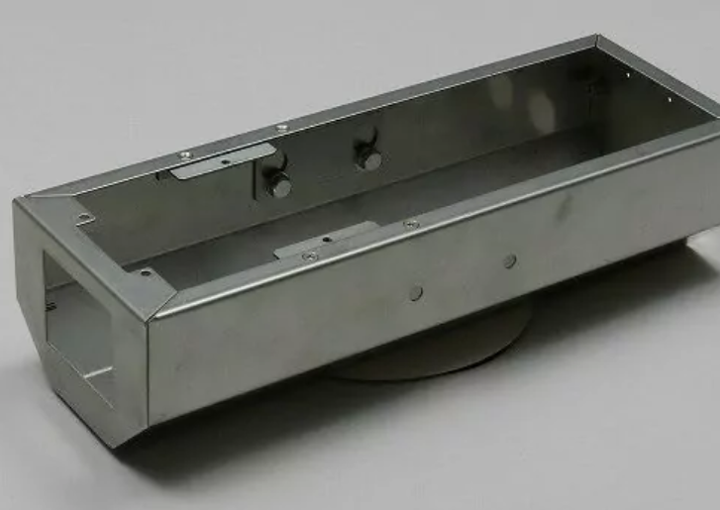
Separate stainless grade, visible finish and fabricated condition when specifying a panel, housing or bracket.
Resolve a panel whose local dimensions pass while its cross-bend mounting relationship fails at the chassis.
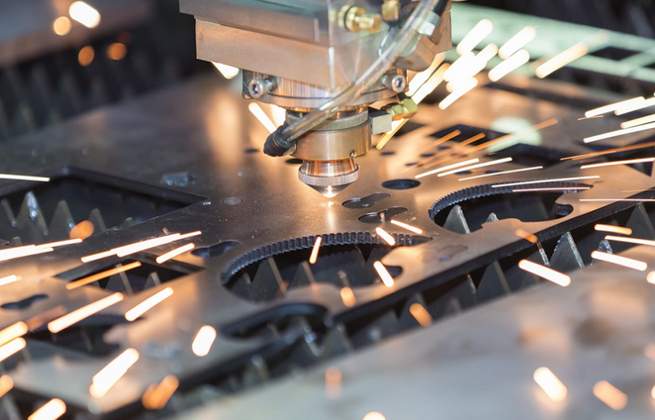
Compare fabrication proposals by the whole supplied component rather than a price that stops at a cut blank.
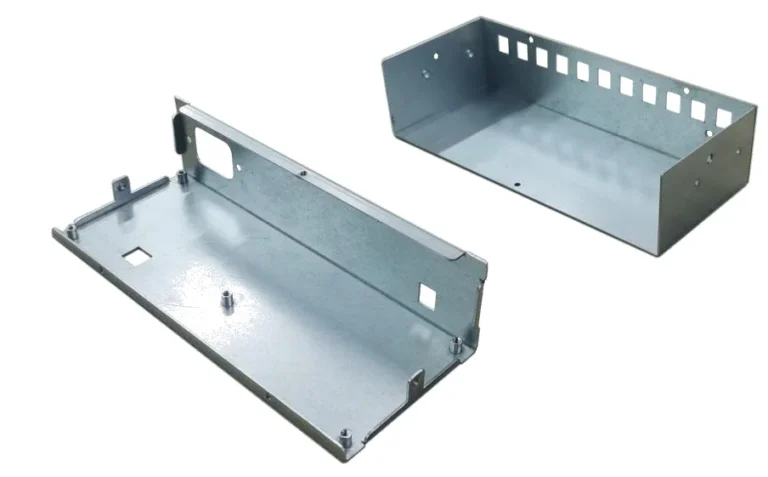
Develop a formed enclosure from its installed shape, including cover clearance, joining and future removal access.
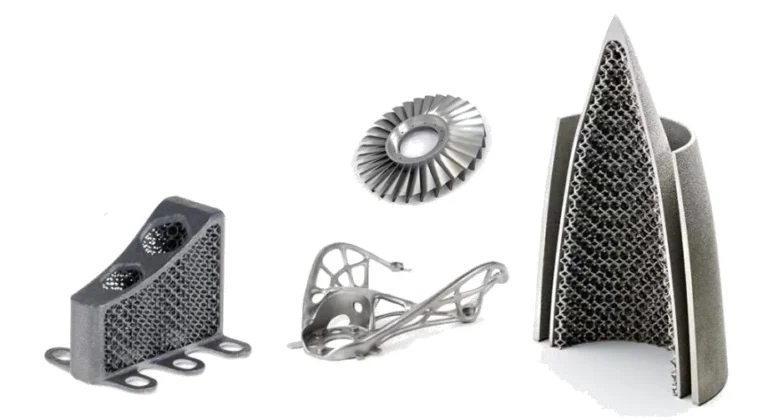
Evaluate a bracket supplier through the finished component boundary, from machining and treatment to the receiving operation.
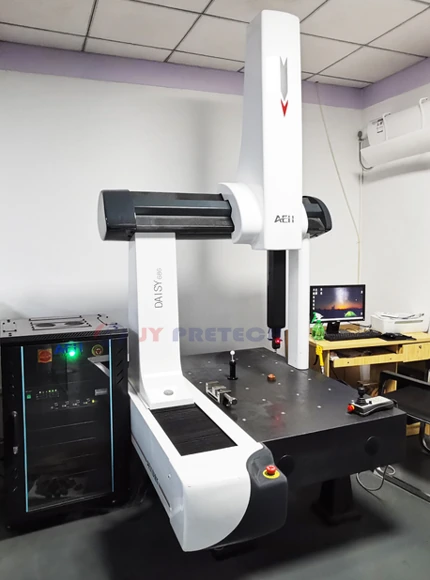
Use a locating block to distinguish size, installed position, measurement condition and meaningful acceptance evidence.
Connect the function of a custom housing with the cutting access, drawing and completed interfaces needed to manufacture it.
Evaluate a change from formed aluminum to printed geometry through material identity, finishing and installed function.
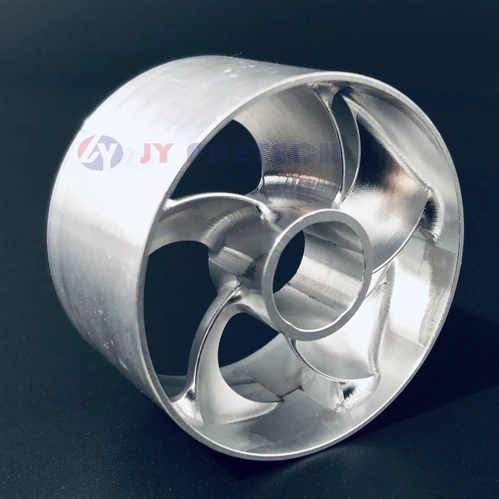
Distinguish 316L and 17-4PH from tooling material choices, then define condition, surface and application evidence.
Compare integrated printing, accessible machining and formed sheet through real construction and acceptance requirements.
Define critical surfaces and hidden regions before selecting the build orientation and later machining route.
Compare competing offers at the same delivery stage, from intermediate printed body to accepted finished housing.
Evaluate consolidated geometry through final mounting references, support and powder removal, machining access and service requirements.
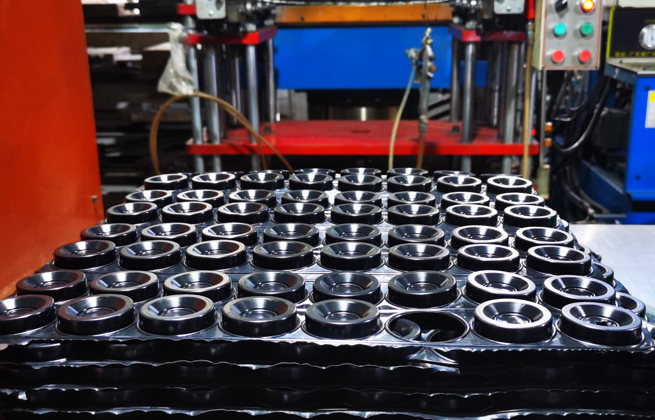
Compare bare moldings, finished components and tooling-plus-parts orders through the actual object the receiving team needs.
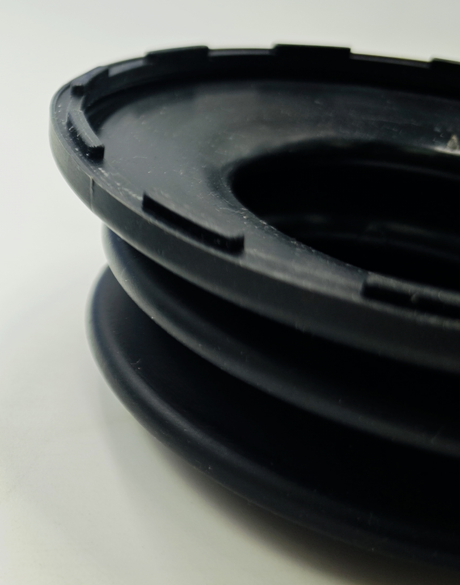
Recover a replacement target from original records and mating equipment instead of reproducing wear, swelling or permanent distortion.
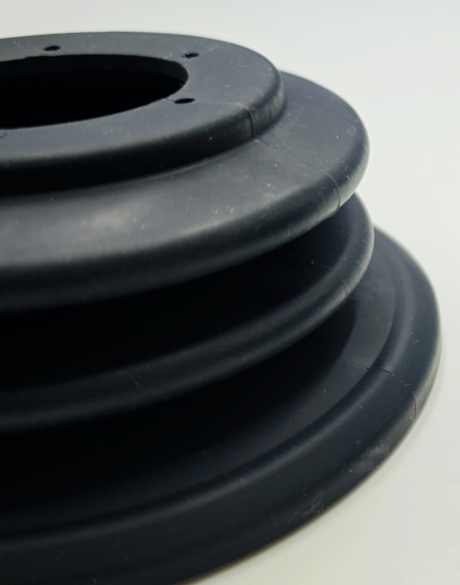
Connect rubber material identity with the pad's installed gap, contact area, exposure and accepted finished profile.

Start a silicone compression project with the working face, installed gap and trimmed condition, then compare the appropriate molding and acceptance routes.
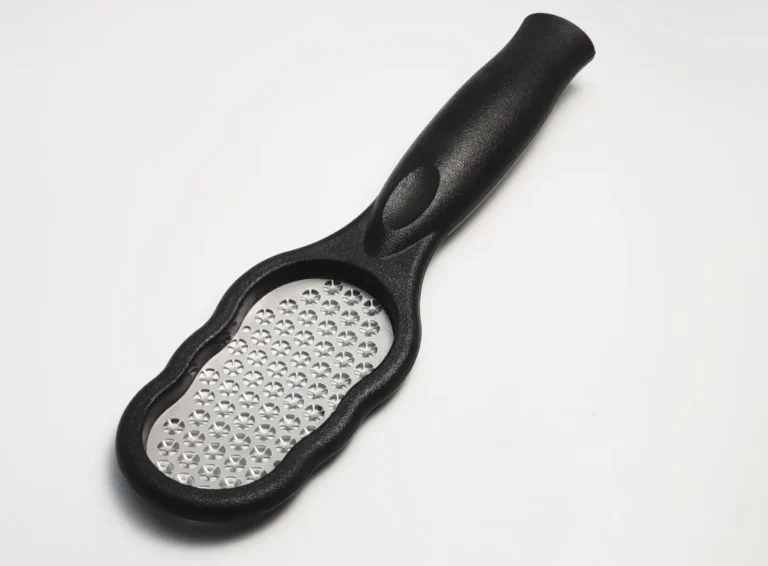
Coordinate custom fittings, clear covers and grips while keeping each item identifiable by material, revision, appearance and supported equipment version.
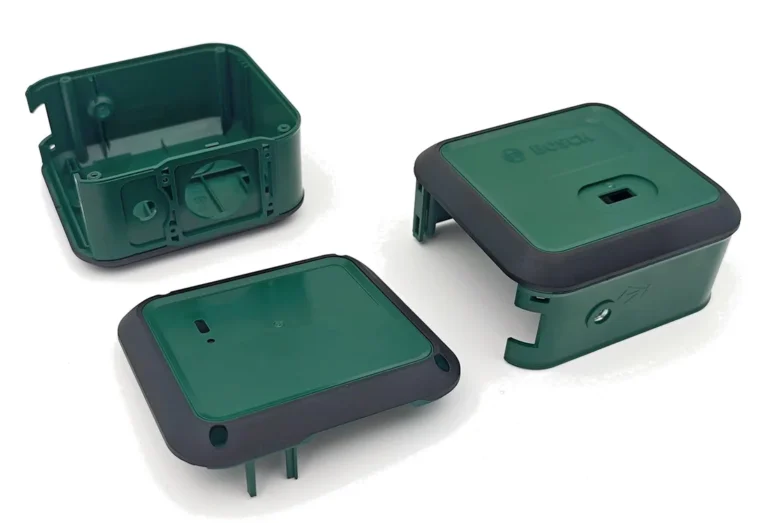
Carry a successful pilot into repeat supply by retaining the approved component, material and finished condition while reviewing genuine changes.
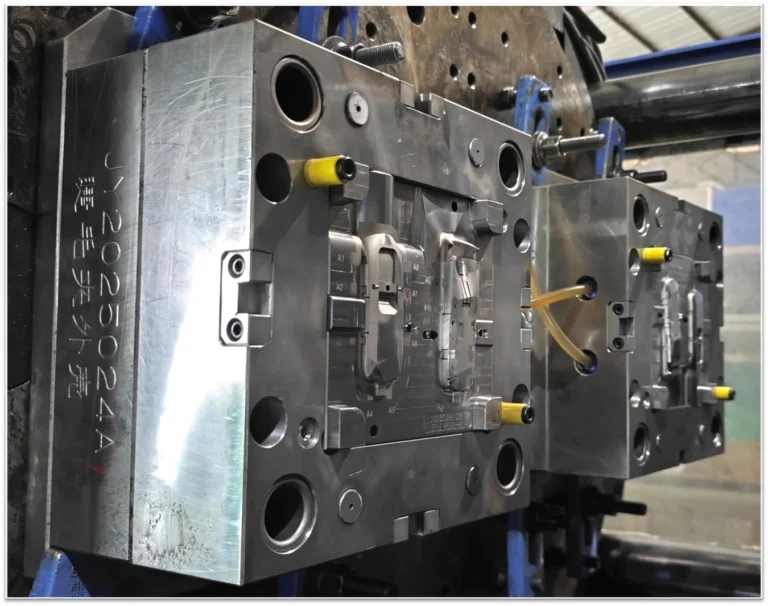
Connect product-owner approval, tool construction and the receiving plant through a shared project definition and an identifiable supply scope.
Connect a complex printed form with the machined seats, material condition and verification needed for a useful tooling component.
Specify a new core or cavity component through its locating and forming relationships, final condition and feature-specific measurement evidence.
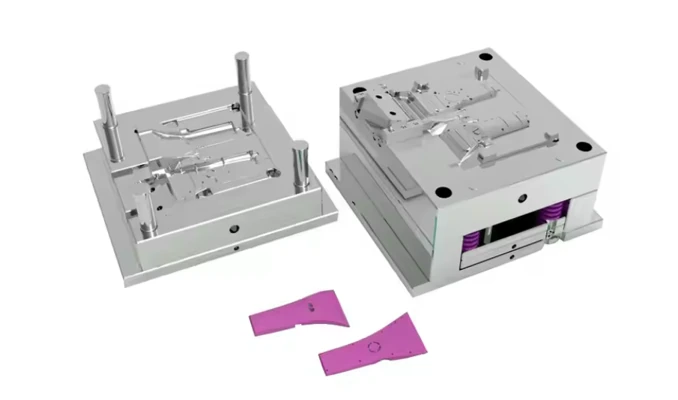
Turn a worn sample into an identifiable replacement scope, distinguishing original geometry, retained mating surfaces and intentional changes.

Treat an export mold as equipment for the receiving plant: review installation, connections, component identification and the agreed trial records.
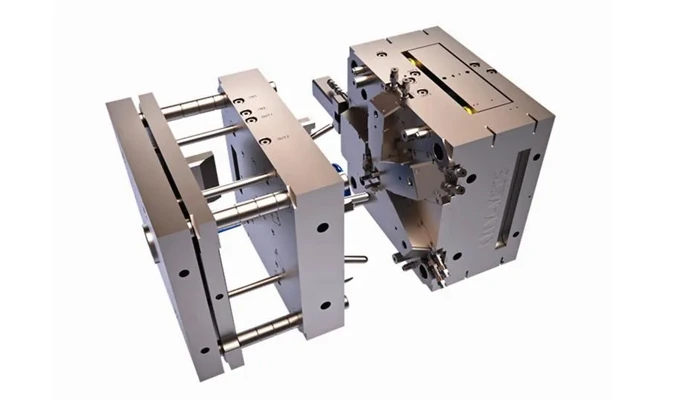
Build a bridge-tooling plan around released features, near-term demand and the finished condition needed for the next equipment build.
Use a prototype mold to resolve a defined development uncertainty, with construction, material and sample groups tied to the next decision.
Trace precision from the core and cavity through molded-part datums to the actual mating arrangement, with a feature-specific inspection plan.
Resolve drawing revisions, insert conditions, runner scope, material references and approval responsibilities before releasing the tool design.
Connect the part's assembly requirements with tool construction, resin selection, sample approval and the receiving molding arrangement.
Explore our materials, tooling and custom component work through the decisions that matter to engineering and purchasing teams.
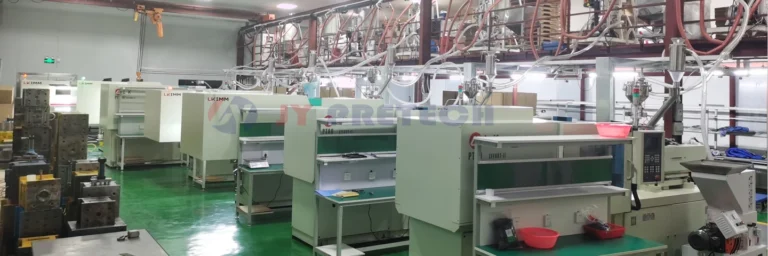
The engineer approves a drawing in one country, the toolmaker cuts steel in another, and the purchasing team expects a clearly defined shipment. A custom plastic parts manufacturer in China should help those decisions stay connected. For an overseas buyer, the useful starting point is a common part revision, a material instruction and a decision about what will be supplied: molded components, a finished assembly or a mold for operation elsewhere.
Read manufacturing article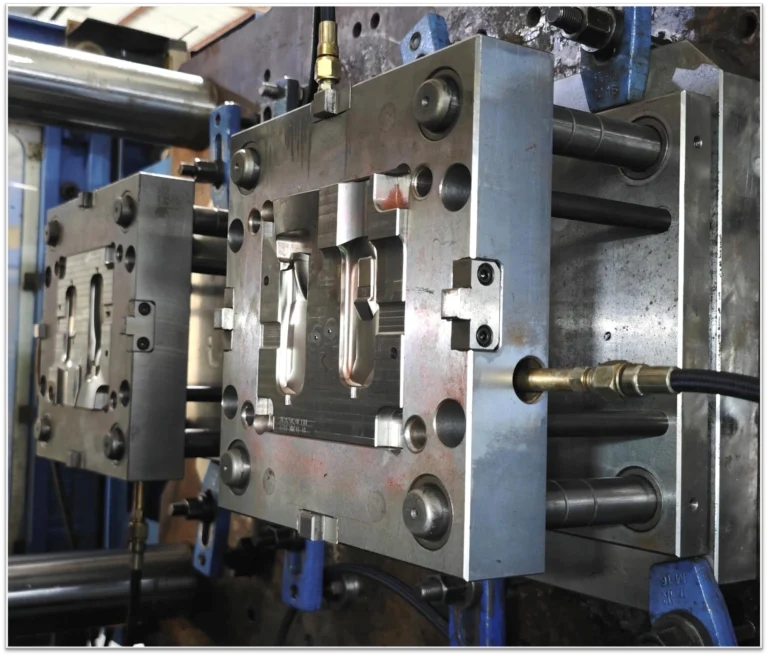
One connector project can reveal more about a medical plastic injection molding manufacturer than a long list of application claims. The useful evidence is in the decisions: the specified resin, how two components share a tool, which molded features need attention, how color and printing are controlled, and who performs the later cleaning and sterilization. Those are the questions a new medical component team should settle before treating sample approval as a production release.
Read manufacturing article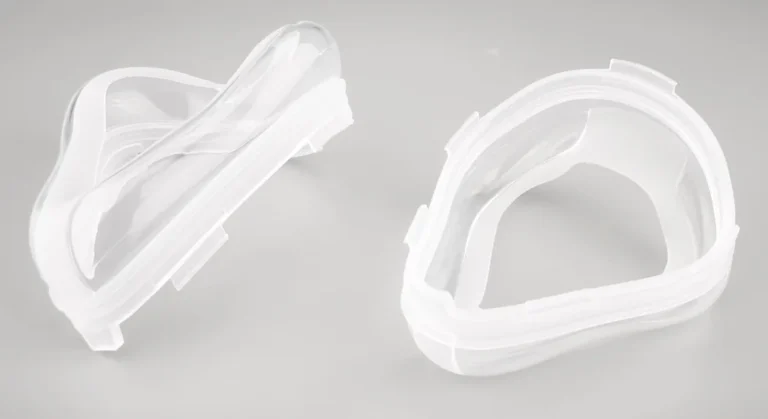
A material report can identify a silicone formulation and describe the tests performed on it. It cannot, by itself, release a finished medical component for a new intended use. When selecting a medical silicone parts manufacturer, the device team should establish the exact compound, contact conditions, molded geometry and downstream processing responsibilities before approving tooling. That makes the supplier discussion useful to engineering and quality teams as well as purchasing.
Read manufacturing article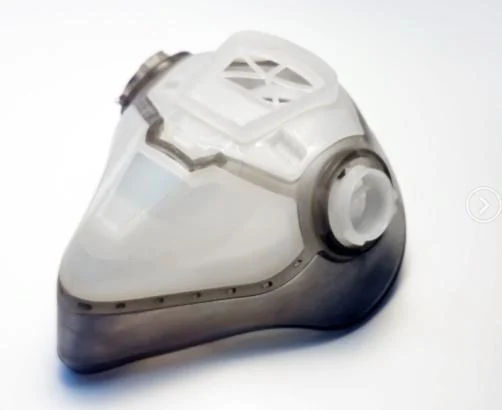
The silicone portion can look perfect while the assembly still separates at its edge. For a rigid carrier with an integrated flexible interface, the first manufacturing question is how those two materials will stay together during use. A silicone overmolding manufacturer needs the exact substrate and silicone grades, the retention geometry and the intended load before treating the joint as a production-ready design.
Read manufacturing articleA product family can contain three white flexible components that belong on three different engineering drawings: a seal compressed inside a housing, a removable protective cover, and a soft interface that touches the user. Buying them as one interchangeable “silicone” requirement can obscure the differences that determine whether they work. A custom silicone parts supplier should first establish the load, mating geometry and supplied condition of each component, then select a manufacturing route.
Read manufacturing article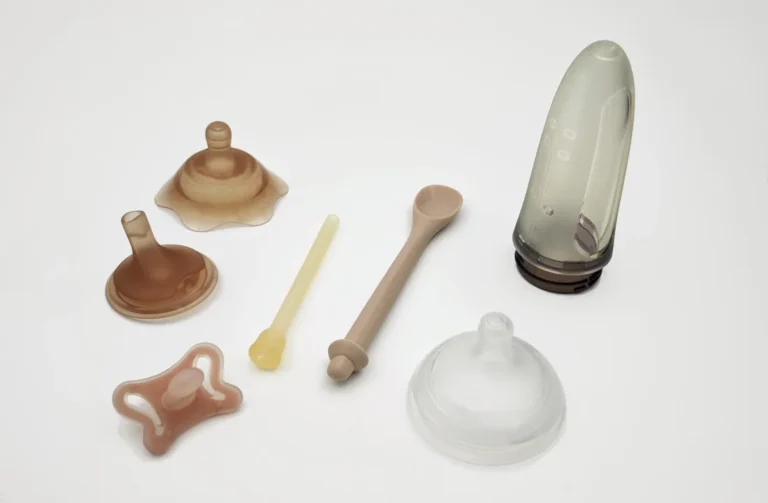
The silicone part fits the drawing when laid on a bench, yet the housing will not close as intended. The disagreement may come from comparing an unloaded shape with an installed requirement. For device engineers and industrial buyers, a silicone injection molded parts manufacturer should understand both conditions. JY Pretech makes custom flexible components through liquid silicone injection molding, with tooling and agreed secondary operations reviewed around the part. Before choosing a compound or approving a sample, define the mating surfaces, assembled gap and function of each flexible region.
Read manufacturing article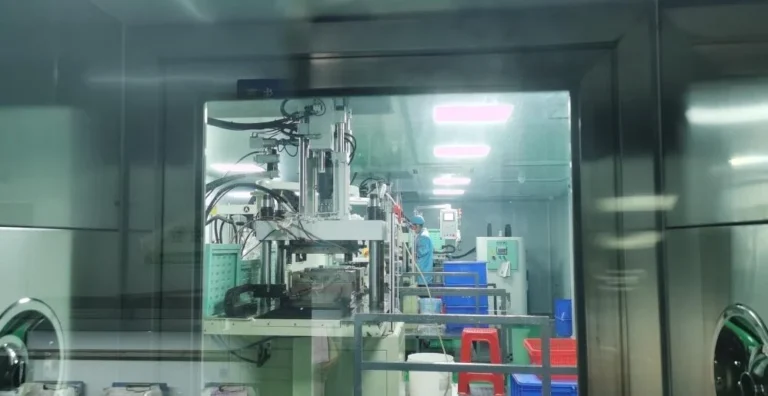
The first purchasing delay often happens before a tool is ordered: engineering specifies a silicone shape, quality asks for a material document and purchasing requests a delivery date, but the three requests describe different supplied conditions. An LSR injection molding supplier needs one connected definition. For medical-device components, electronics interfaces and other flexible details, JY Pretech reviews the geometry, material, tooling and agreed inspection scope through its liquid silicone molding service. Send the mating geometry and documentation requirement alongside the silicone drawing so the first proposal can address the component you intend to accept.
Read manufacturing article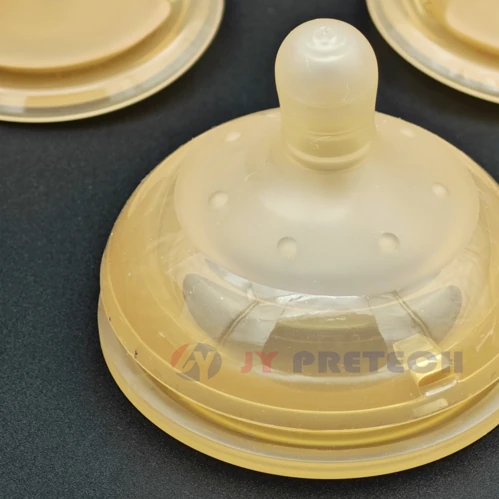
An approved silicone prototype does not automatically define an injection-molded production part. The formulation, molding route or later treatment may differ. A liquid silicone rubber injection molding manufacturer should connect the proposed liquid compound with the tool, curing stage, demolding and finished condition that the customer will accept. JY Pretech's LSR injection molding service covers those manufacturing stages and agreed secondary operations. Begin with the part's flexible function and the intended production material so the trial addresses a real device requirement through a defined process.
Read manufacturing article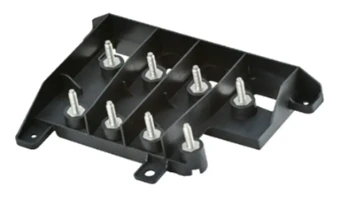
The metal feature often determines whether an industrial plastic assembly can do its job. A thread must accept its fastener, a conductive element must remain correctly positioned and a locator must meet the adjoining part. An insert molding manufacturer needs those functions described before deciding how the insert will be held and surrounded by plastic. JY Pretech's insert molding capability brings metal inserts and molded material into one component, with location, retention, tolerances and feasibility reviewed against the customer's drawing. Begin with the metal definition and the assembly interface, as well as the finished plastic shape.
Read manufacturing article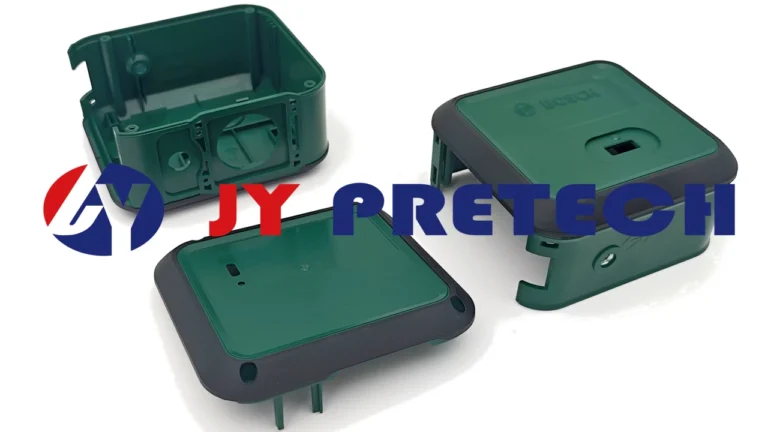
“Make it like this sample” leaves too much undecided for a hard-soft housing. A buyer may be pointing to the color, while an engineer is thinking about grip and the supplier is interpreting the material boundary. When selecting an ABS TPE overmolding supplier, identify which properties the reference actually establishes. JY Pretech's published ABS plus TPE 60A demonstration offers a real construction to discuss through our two-shot molding service. It is a starting reference for a project-specific pairing, rather than a universal recipe for every ABS housing.
Read manufacturing articleA grip can feel convincing on a sample table and become frustrating on the equipment it was designed for. The surface may slide under a glove, catch at its edge or soften the outline of a control. For industrial product teams, a TPE overmolding manufacturer should help define those contact conditions before choosing the compound and tooling route. Start with JY Pretech's two-shot and hard-soft molding service, then identify the rigid material, grip area, exposure and required retention. A hardness value alone cannot describe the finished handle.
Read manufacturing article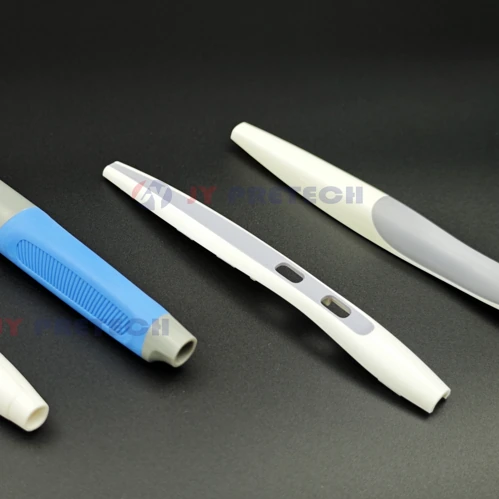
The customer-supplied substrate arrives with the correct shape and a clean appearance. The next molding stage still needs to establish what that surface has touched, how the part will sit in the tool and where the second material must stop. A plastic overmolding manufacturer should resolve those questions before accepting the substrate as ready for production. JY Pretech supports custom overmolding, two-shot work, insert molding and tooling. Begin with the substrate drawing and intended finished component in our manufacturing capabilities, then define the handoff between the two molding stages.
Read manufacturing articleRigid plastic, a soft grip and a metal fastening feature can be combined in several ways. They do not all have to be integrated into one molding sequence. A multi material injection molding supplier should help an engineer decide which interfaces deserve integration and which should remain separate. JY Pretech supports insert molding, overmolding, 2K molding, silicone components and supporting assembly operations. Start with the function of each material in our manufacturing portfolio, then choose the route that keeps the finished assembly practical to manufacture and use.
Read manufacturing articleA contrasting band on a housing is easy to draw and harder to define for manufacture. Is the line a purely visual feature, the edge of a softer material or part of the enclosure's mating geometry? A two color injection molding manufacturer needs that answer before the mold is designed. JY Pretech supports two-material and two-color components, including custom device housings. Begin with our two-color and 2K molding service and mark the boundary on a dimensioned model, not only on a rendered image.
Read manufacturing articleThe first version of a handheld product often puts a soft surface wherever there is room on the housing. The next version has to accommodate fingers, fasteners, a cable and service access in the same space. A double shot molding manufacturer is useful when those requirements are reviewed together. JY Pretech makes custom hard-soft components, two-shot housings and overmolded parts, with tooling and secondary operations coordinated around the drawing. Begin with the hand-contact zones and the rigid structure, then decide which features genuinely belong in a double-shot molding cycle.
Read manufacturing articleApproving a two-material part does not mean its mold is ready to run on any two-component press. Before ordering tooling, ask a 2K injection molding supplier to connect the component design, mold movement and intended machine in one proposal. JY Pretech publishes dedicated two-shot molding configurations and supports both molded-part production and export tooling. The important first distinction is whether you are buying parts produced here or a tool that must operate at another factory.
Read manufacturing article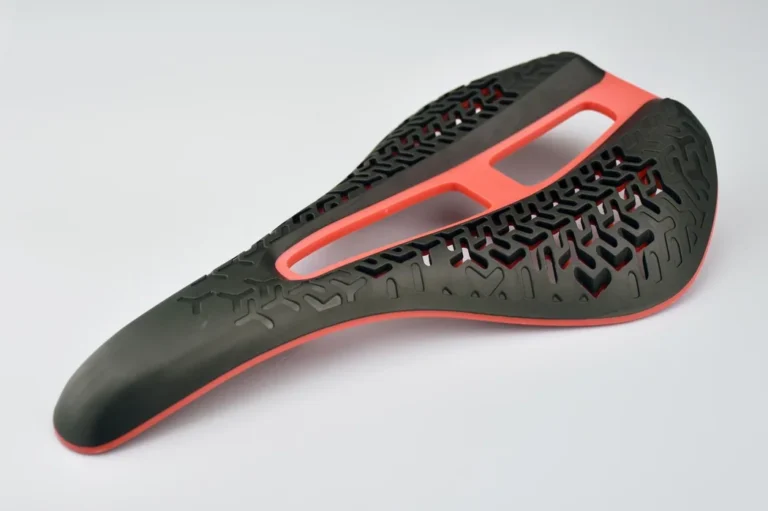
A soft surface can look perfectly attached to a rigid component while the joint underneath remains the weakest part of the design. For an engineer replacing a bonded assembly, a two shot injection molding manufacturer should first explain how the materials meet, where the loads travel and what the finished part must resist. JY Pretech supports hard-soft components and two-color housings through tooling, molding and engineering review. Start with our two-shot molding service, then identify whether your priority is grip, mechanical retention, appearance or a sealing interface.
Read manufacturing article
A drawing that says “Ultem” identifies a useful material family but leaves an important purchasing decision unfinished. The supplier still needs the selected grade, the component geometry and the condition in which the part will be accepted. JY Pretech is an Ultem molded parts supplier through its PEI and high-heat injection molding work, serving teams that need custom components rather than an undefined material substitution.
Read manufacturing articleAn amber part can look like the intended PEI component while still carrying a bubble, an unresolved dimension or a trial condition that has not been released. Selecting a PEI injection molding manufacturer therefore involves more than finding a company that lists the polymer. JY Pretech's published PEI work connects material preparation, flow analysis, tooling and sample inspection, including the improvements required after an initial trial.
Read manufacturing article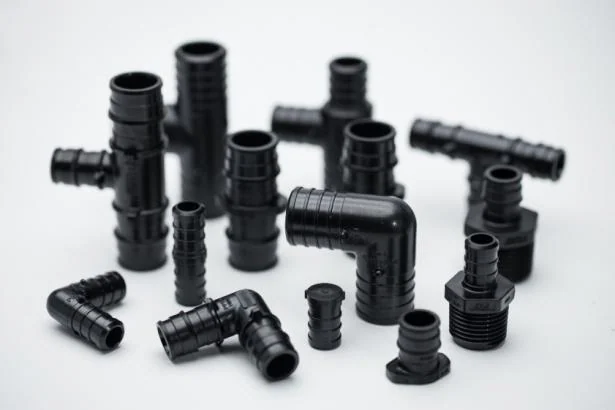
Several black fittings can look like one product family while connecting to different equipment. For a distributor or industrial purchaser, that similarity creates a receiving problem long before a part reaches service. A PPSU molded parts supplier needs a controlled definition for each component, including its mating geometry and material. JY Pretech offers custom PPSU fitting manufacture through its high-heat molding range, supported by engineering review, tooling and inspection.
Read manufacturing article
The hose fits over the new connector, but that observation does not release the fluid circuit. The joint still needs a defined geometry, operating environment and acceptance method. JY Pretech is a PPSU injection molding manufacturer with fluid-fitting examples in its high-performance component range. We work with engineering teams and purchasers developing custom molded fittings, connecting tool design and material processing with the requirements of the actual connection.
Read manufacturing article
A worn polymer gear reaches purchasing with a short instruction: obtain another one in PEEK. The part may contain useful evidence, but its current shape is not necessarily the original design. For an engineering buyer choosing a PEEK molded parts supplier, the first task is to recover a clear component definition. JY Pretech supplies custom molded high-performance parts through tooling, PEEK processing and agreed inspection, rather than treating every replacement as a shape to copy.
Read manufacturing article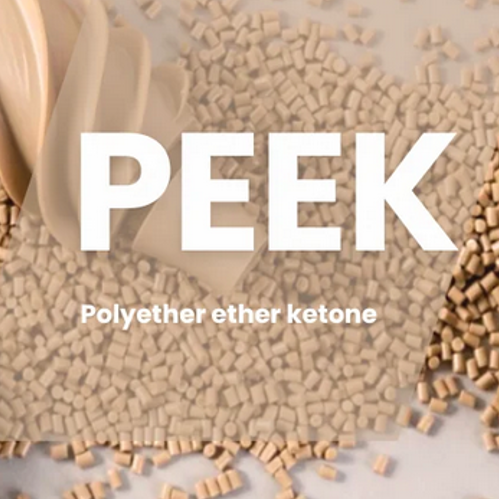
The drawing says PEEK, the prototype is beige, and the application requires a stiff working component. The material decision is still incomplete. A PEEK injection molding manufacturer needs the exact grade, the critical geometry and the intended duty before a useful tool and sampling plan can be released. JY Pretech combines high-heat processing, custom tooling and inspection to develop molded PEEK components around those requirements.
Read manufacturing articleA high-performance polymer can be the wrong material for a well-defined job. A gear needs a different decision from a fluid fitting, and neither should be selected like a heat-resistant electrical support. JY Pretech is a high performance plastic parts manufacturer offering PEEK, PPSU and PEI molding with tooling and inspection support. For engineering buyers, the useful question is which property must be preserved in the actual component, under the actual operating conditions.
Read manufacturing article
“It gets hot” is not enough information to replace a metal component with plastic. A gear carrying torque, a fluid fitting exposed to cleaning chemicals and an electrical support beside a heat source face different problems. When selecting a high temperature plastic injection molding manufacturer, define the exposure and the function together. JY Pretech processes PEEK, PPSU and PEI and connects that material discussion with tool design, molding and part inspection.
Read manufacturing articleThe product team has moved a connector, added a fastening boss and asked for a softer grip. Purchasing still holds the drawing used for the original quotation. For a custom plastic parts supplier, this is a development problem before it becomes a production problem. JY Pretech supports teams whose component designs and order quantities evolve, connecting rapid tooling, injection molding and secondary operations around a controlled release.
Read manufacturing article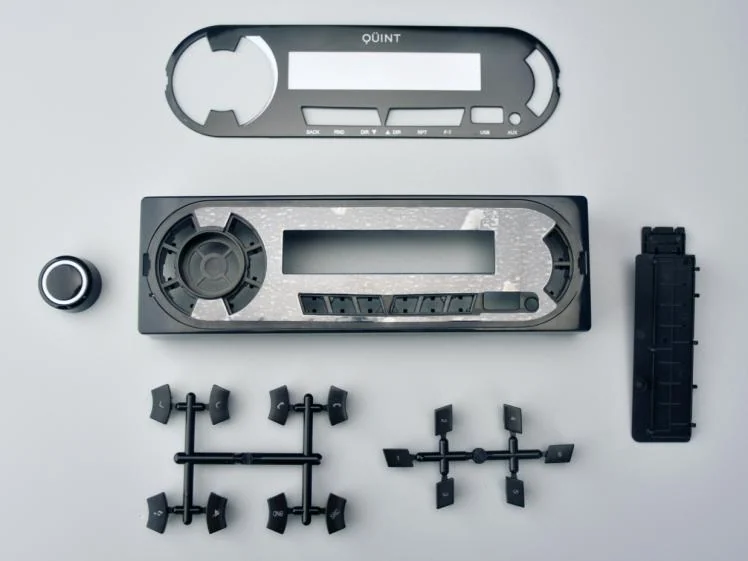
The front panel is approved. The rear housing is approved. Yet the complete device still needs force to close, and the printed legend no longer lines up with the control opening. An injection molded parts manufacturer adds the most value when these relationships are discussed before individual parts become separate purchase orders. JY Pretech supports custom moldings, tooling, insert integration and finishing for equipment teams that need components to work together.
Read manufacturing article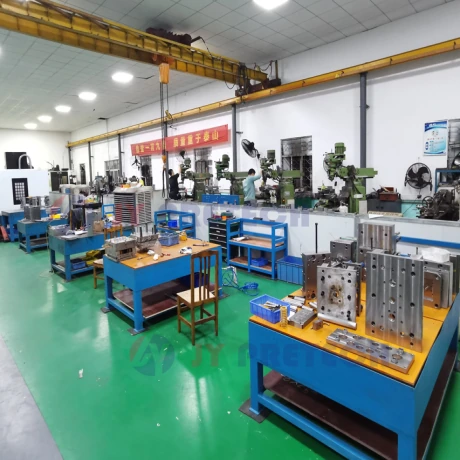
Two quotations can describe the same plastic component and still offer different purchases. One may include tool development and limited trial samples; another may include finished, decorated parts. For an industrial buyer selecting a plastic injection molding supplier, resolving that difference is more useful than comparing the totals first. JY Pretech brings tooling, molding and supporting operations into one engineering discussion so the supplied component can be defined before manufacturing begins.
Read manufacturing article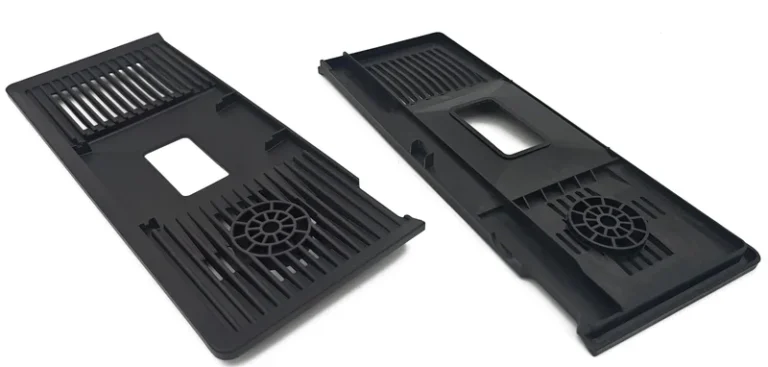
A panel can look flawless on a meeting-room table and still resist assembly when its fasteners are tightened. For the buyer choosing a precision injection molding manufacturer, that gap between appearance and fit is the real issue. JY Pretech supports custom molded components through engineering review, in-house mold making and inspection against agreed part requirements. The starting point is a measurable function: which surfaces locate the part, which features carry load, and which variations the assembly can accept.
Read manufacturing article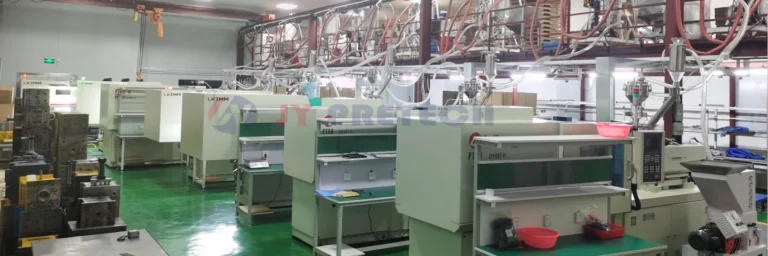
A working prototype is a useful beginning. It does not yet tell a product team whether a molded housing will assemble consistently, whether a resin change will alter a sealing surface, or whether the next production quantity justifies a different tool. JY Pretech is a custom plastic injection molding manufacturer for teams navigating those decisions. Our work connects engineering review, in-house tooling, molded samples and production around the requirements of the actual part.
Read manufacturing article